Colt Firearms Collector


Realist Rifle Scopes Part: 1

The 'Realist" Colt connection to Colt AR-15 optics


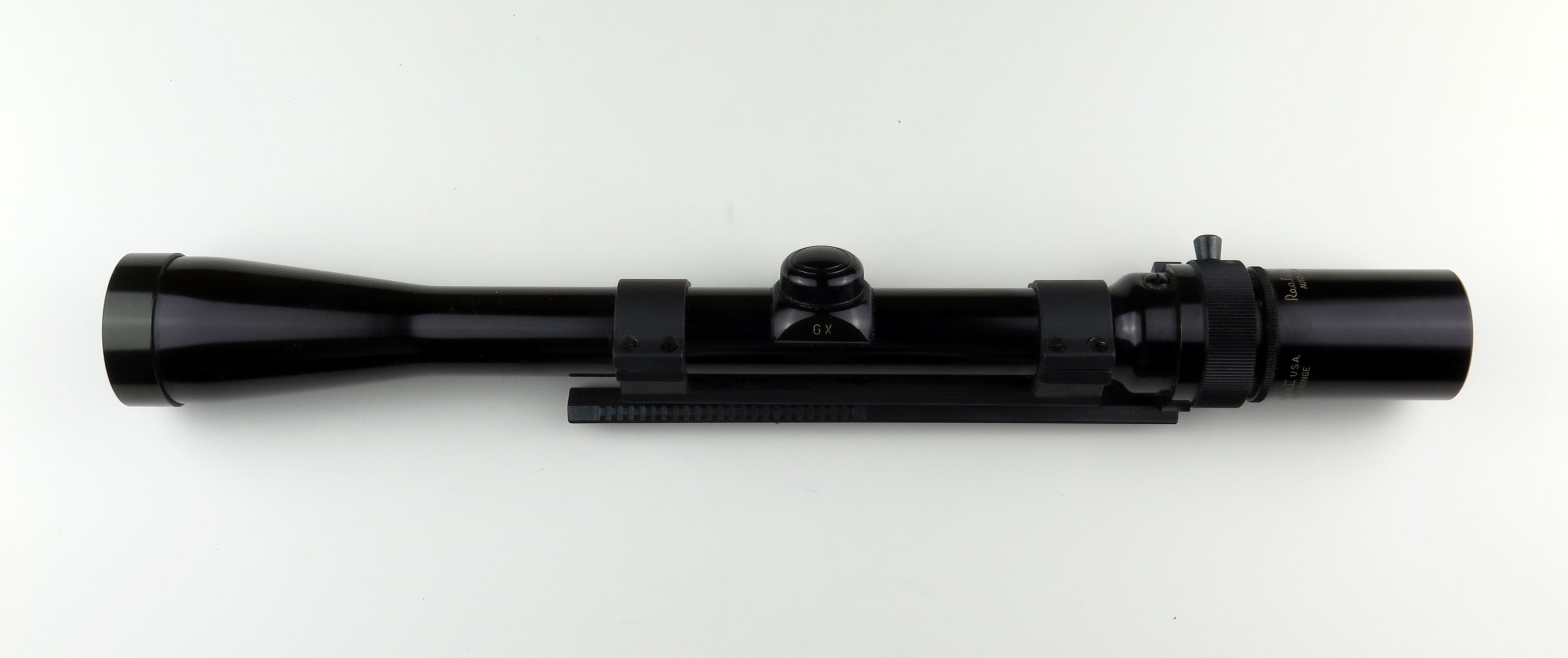
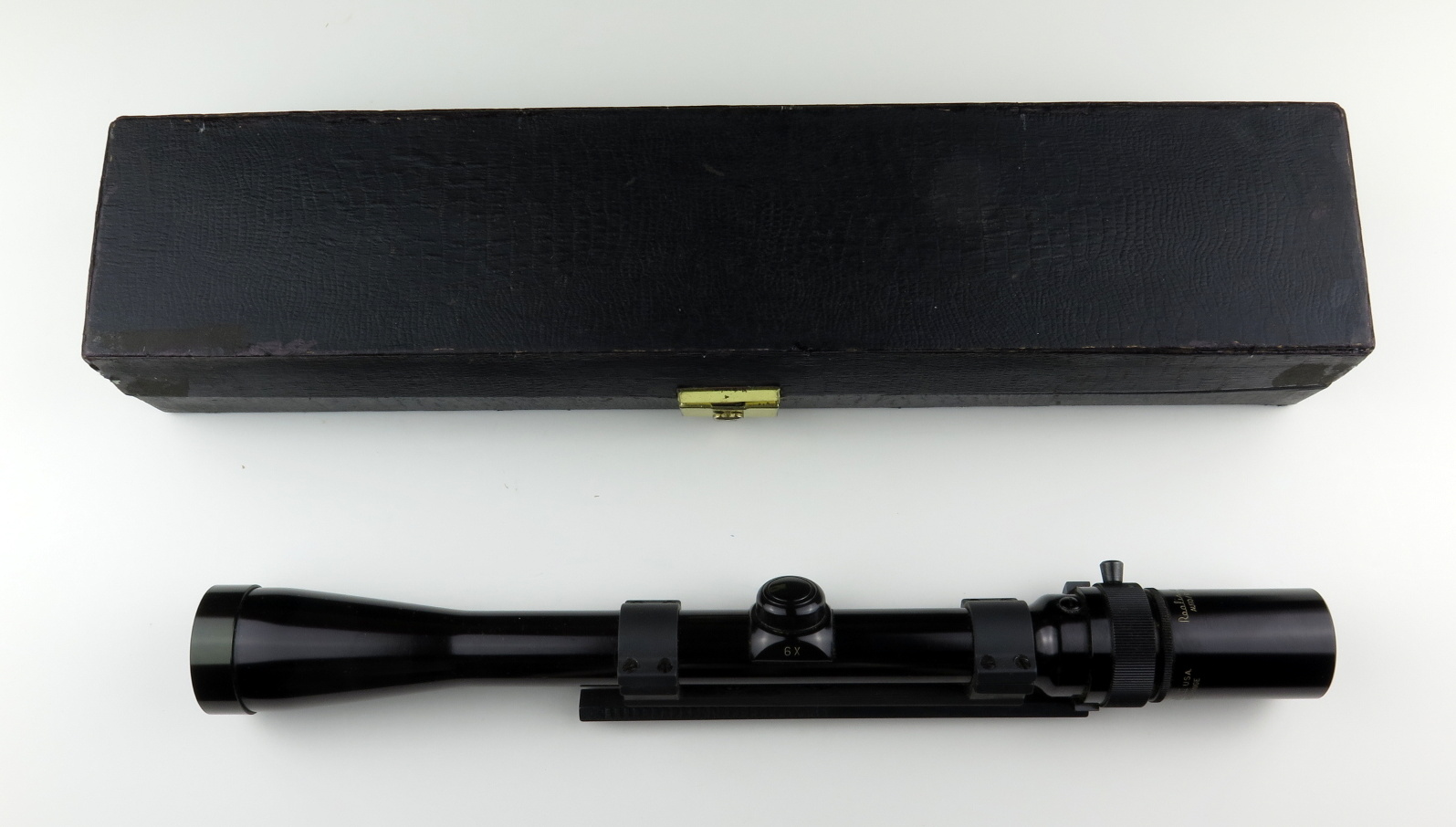
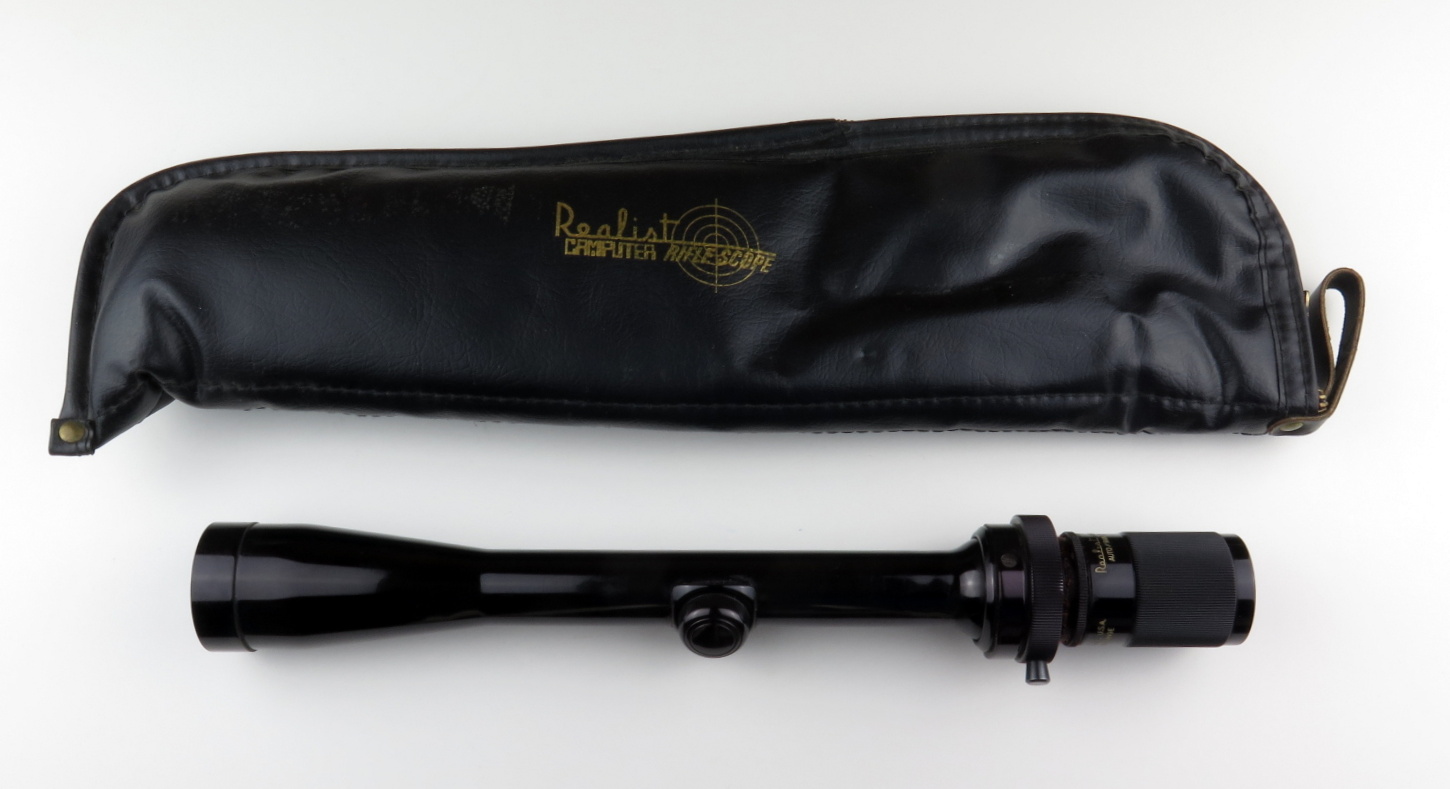
Realist 'Camputer' 6x Fixed Power Auto/Range Scope

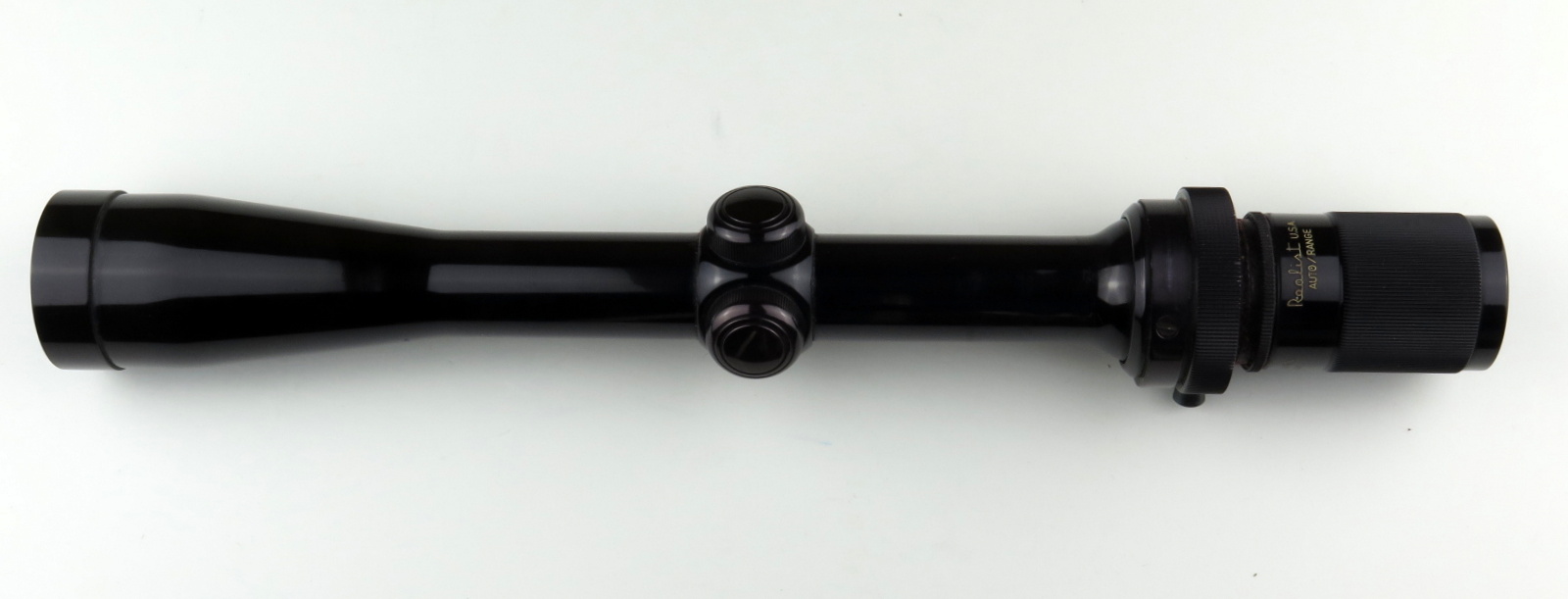
Realist 'Camputer' 3x9 Auto-Range Scope

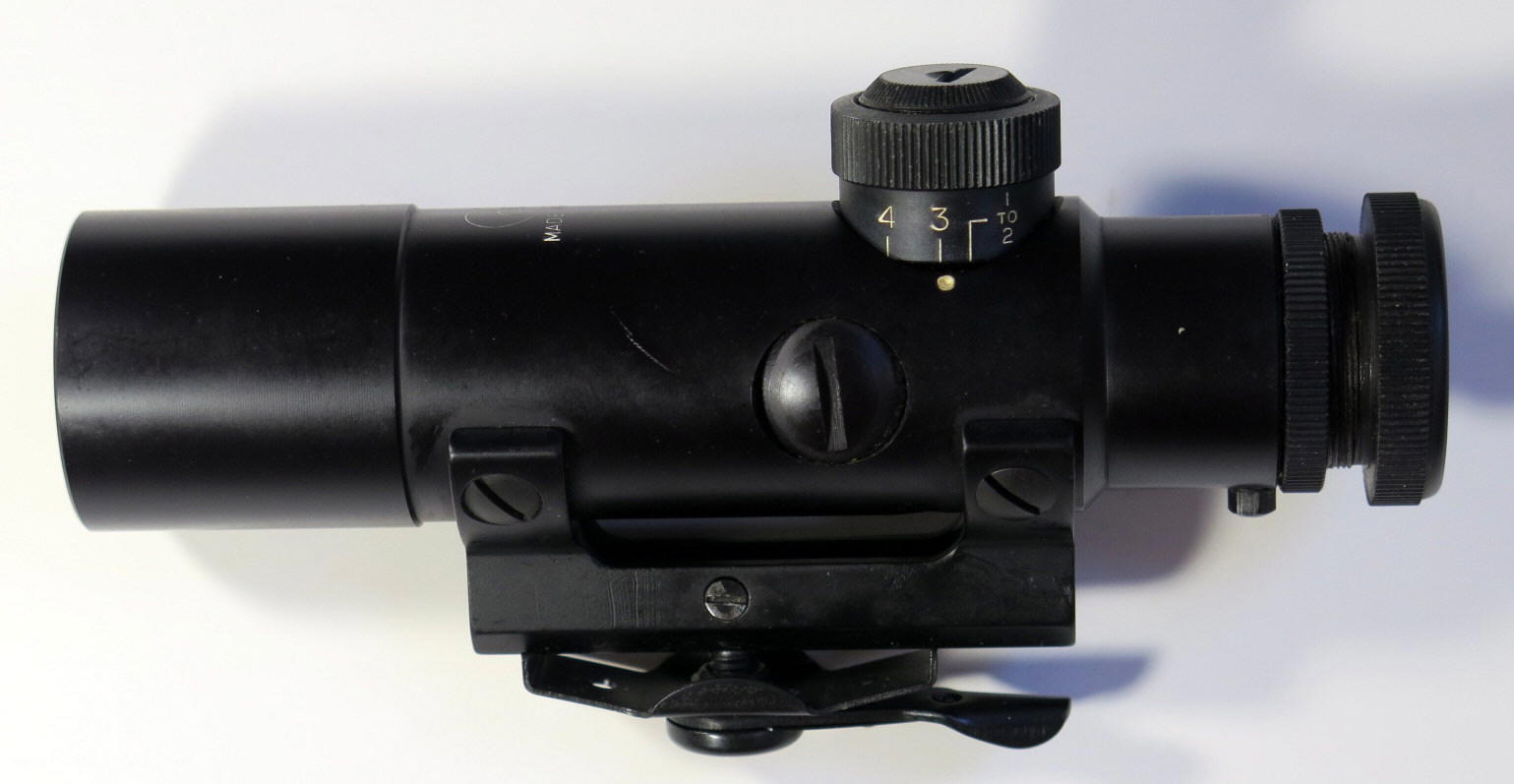
In early 1962, The David White Company (best known for early triple lens cameras and survey instruments), created the Realist Riflescope Division, which in turn developed the Realist 3X20 20mm objective Ballistic Drop Compensating cam (BDC 100-400 yards) telescopic sight for the Armalite AR-15/M-16 rifle and later for the Colt Sporter AR-15/16s.

Realist 'Colt' 3x20 carry handle mounted scopes, which were made the the USA, were used during the Vietnam War.  Realist 'Camputer' Auto/Ranging scopes were also in use during the Vietnam War by snipers. 

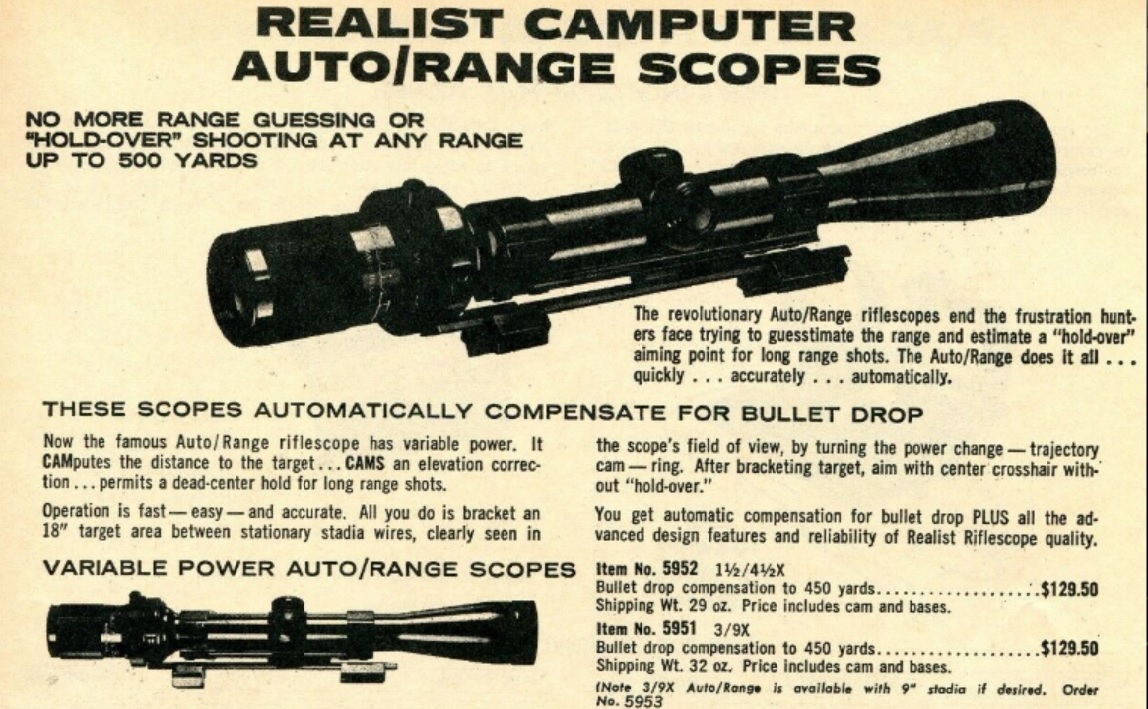
The name Camputer is a play on the words 'cam' because the sight used a cam system for different types of rifles to 'program' the range like a 'computer'.

Colt 'Realist' 3 x 20 Sporter scope c.1969-73

Colt 'Realist' 3 x 20 Sporter scope c.1969-73

What follows here, is the civilian market production of Realist Rifle Scopes produced during the late 1960's and early 70s during the last years of the Vietnam War.

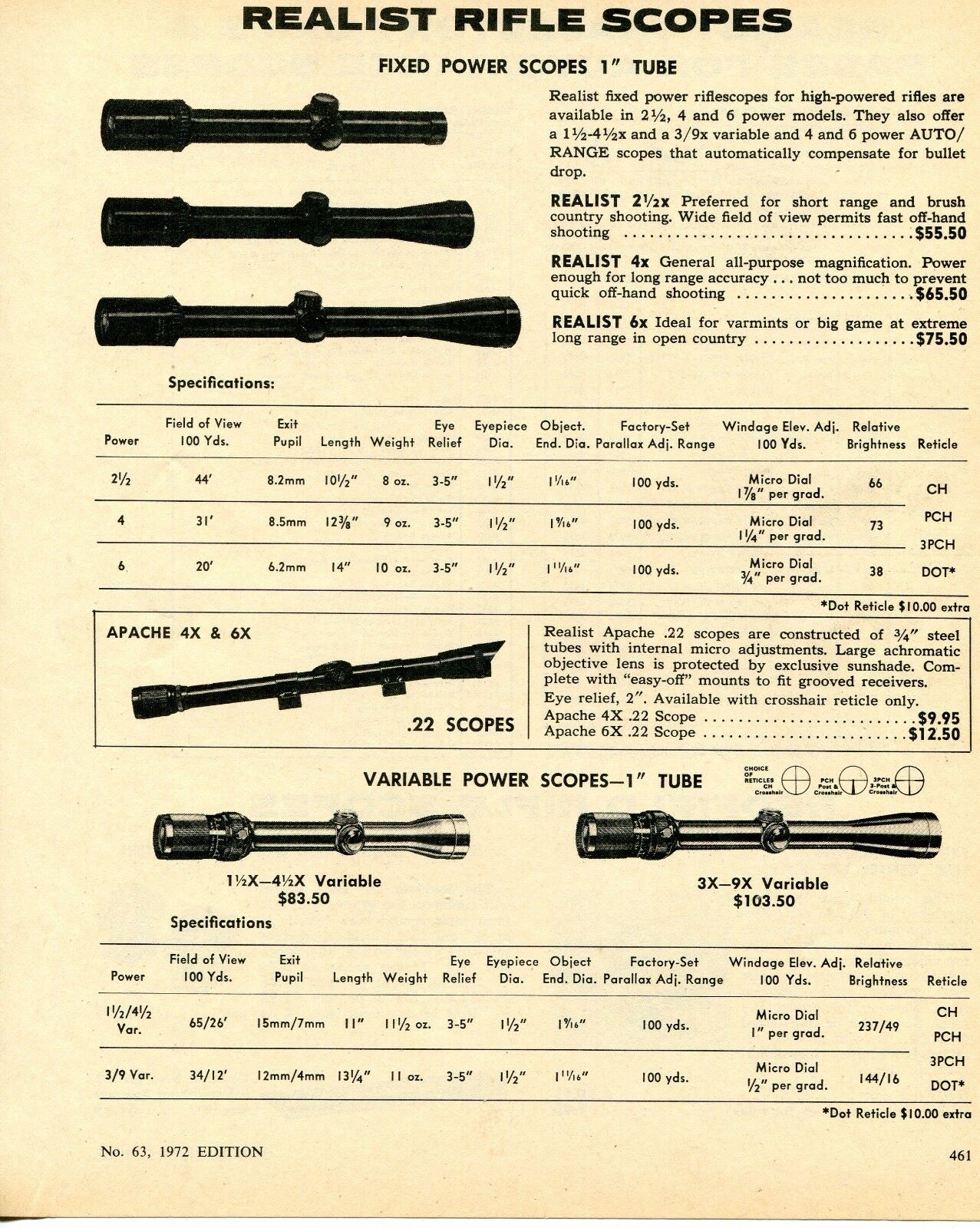
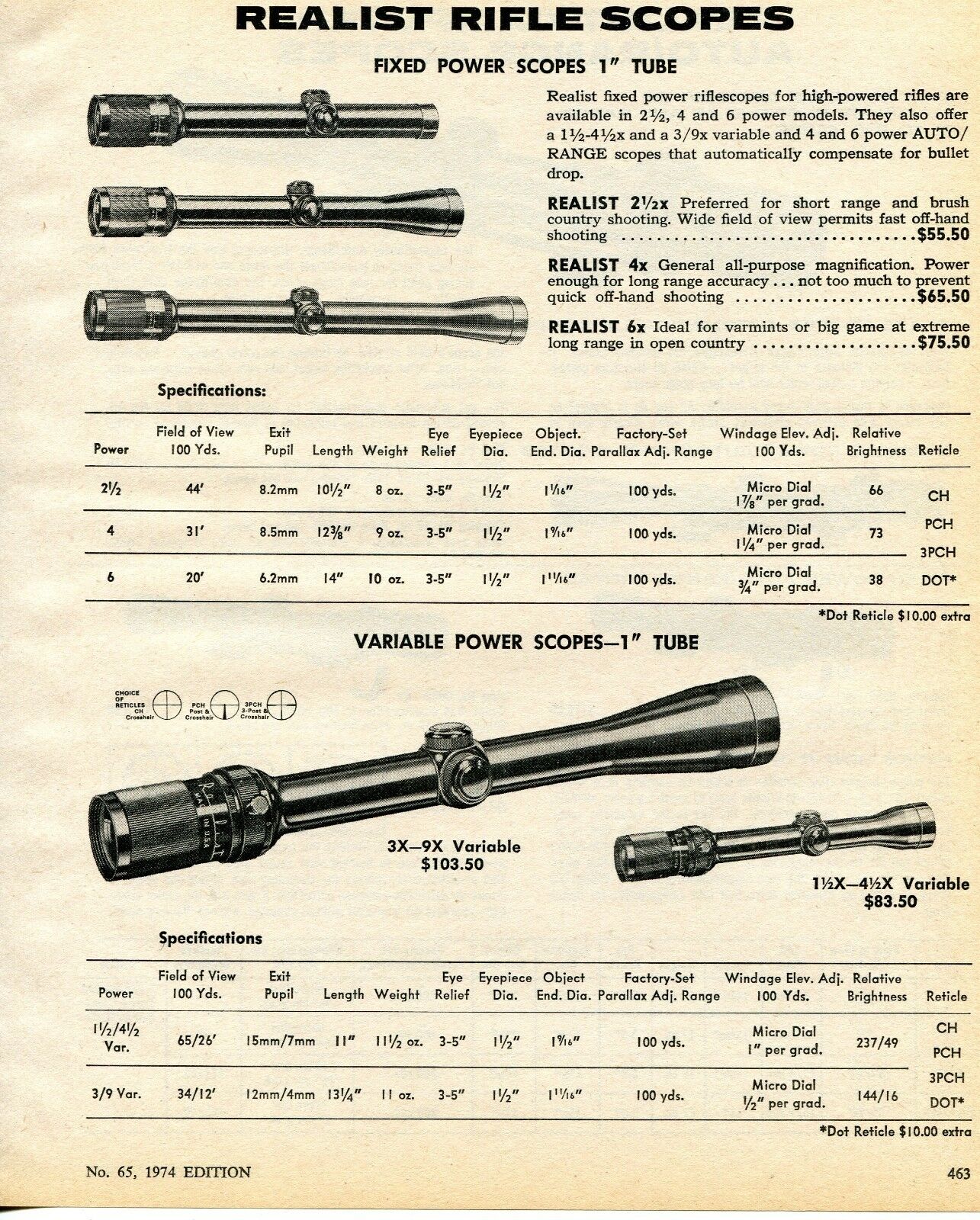
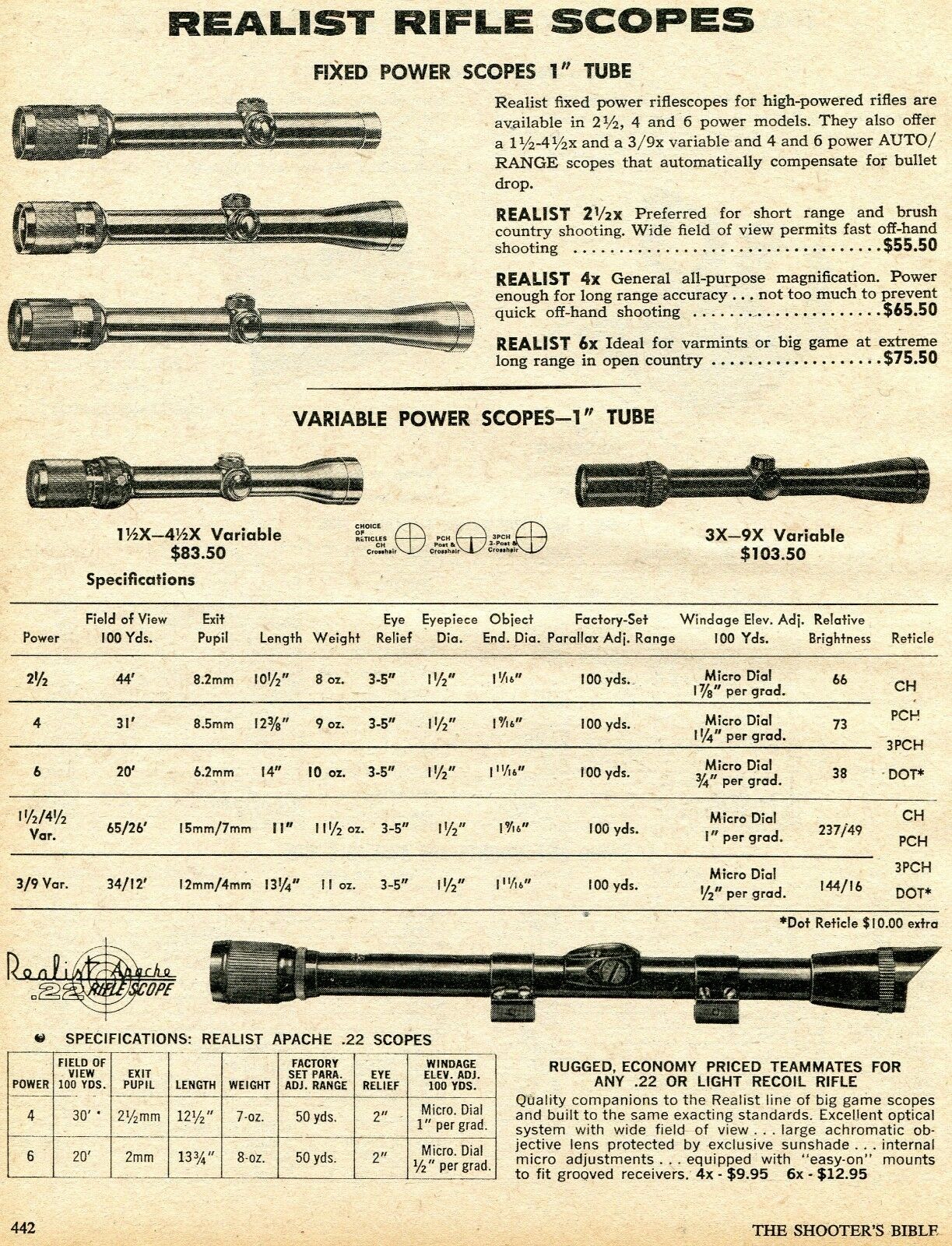
According to Nick Stroebel's book, "Old Rifle Scopes", "Starting in 1965, Realist Inc., Menomonie, Wis., imported a quality line of hunting telescopic sights. All featured constantly centered reticles, nitrogen-filled alloy tubes, and the choice of crosswire, post and crosswire or dot reticles.  In 1968, after reaching an agreement with its designer, Jim Leatherwood, Realist introduced the first American-made ART (Auto Ranging Telescope).  Realist scopes are last cataloged in the 1974 Gun Digest.  See the ads below.  The Auto/Range and Camputor 6x scope (1968-1974) 

The first scope shown below is marked 'Realist Camputer' and has the 270 (130 Gr) cam installed. Apparently they came with a number of different cams for different calibers. This scope was made in USA and is so marked.

Realist 'Camputer' 6x Fixed Power Auto/Range Scope-2

This is a VERY RARE, fully functional sniper Rifle Scope.  The scope was designed by Jim Leatherwood, the famous designer/creator of the ART I and ART II sniper scopes used in Southeast Asia to enable a sniper with only moderate training to accurately shoot out to 800 meters without running through all the calculations and compensations to manually adjust for the ballistics of the load being fired. Jim Leatherwood created the ART / MPC after the ART II, taking the knowledge learned with the military applications of his Auto-Ranging-Sniper scopes, and applying them in the design and productions of an Auto-Ranging scope for non-warfare use.
 
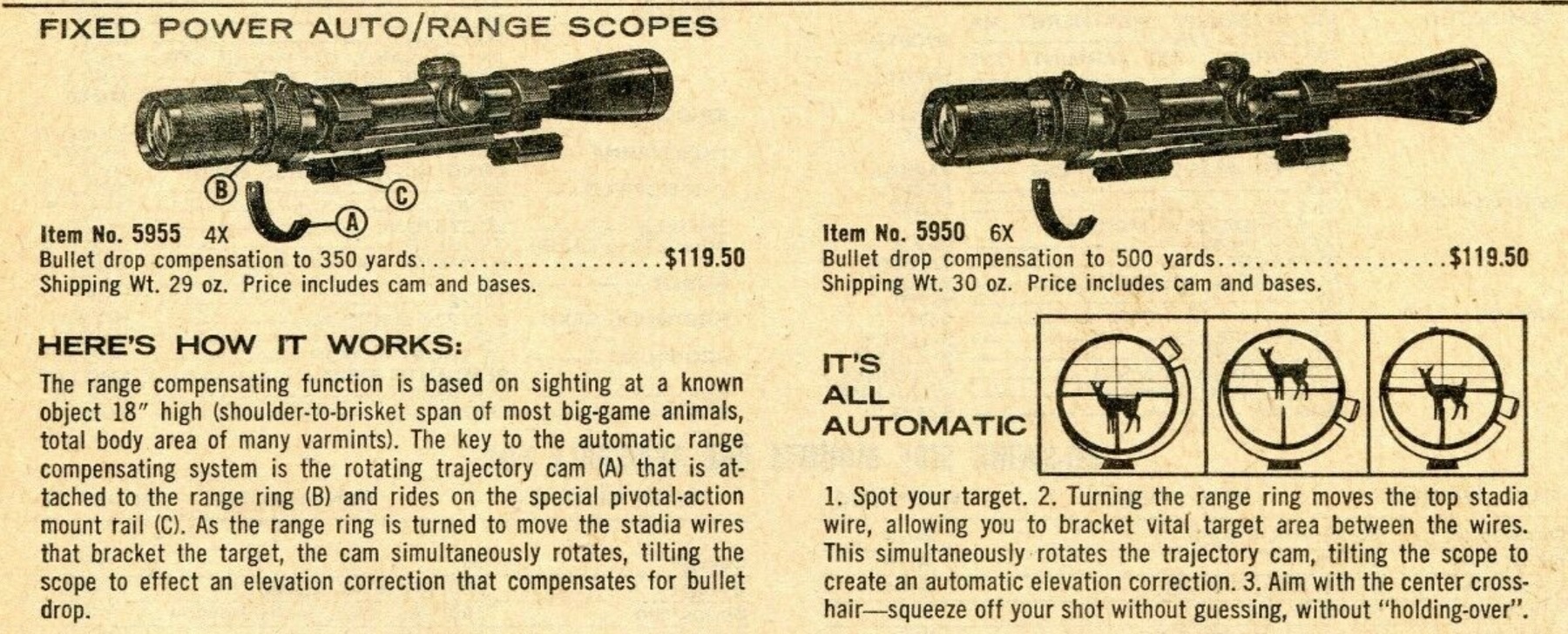
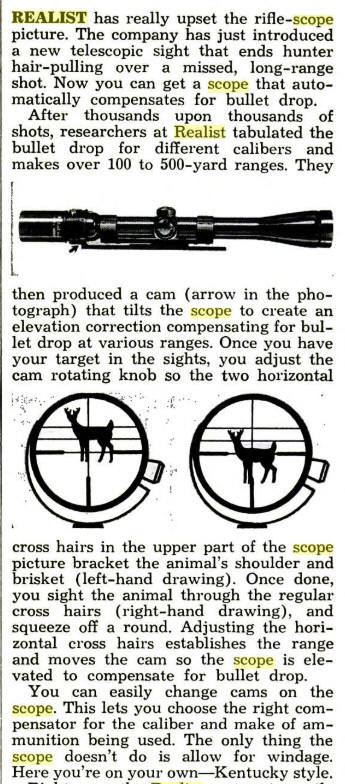
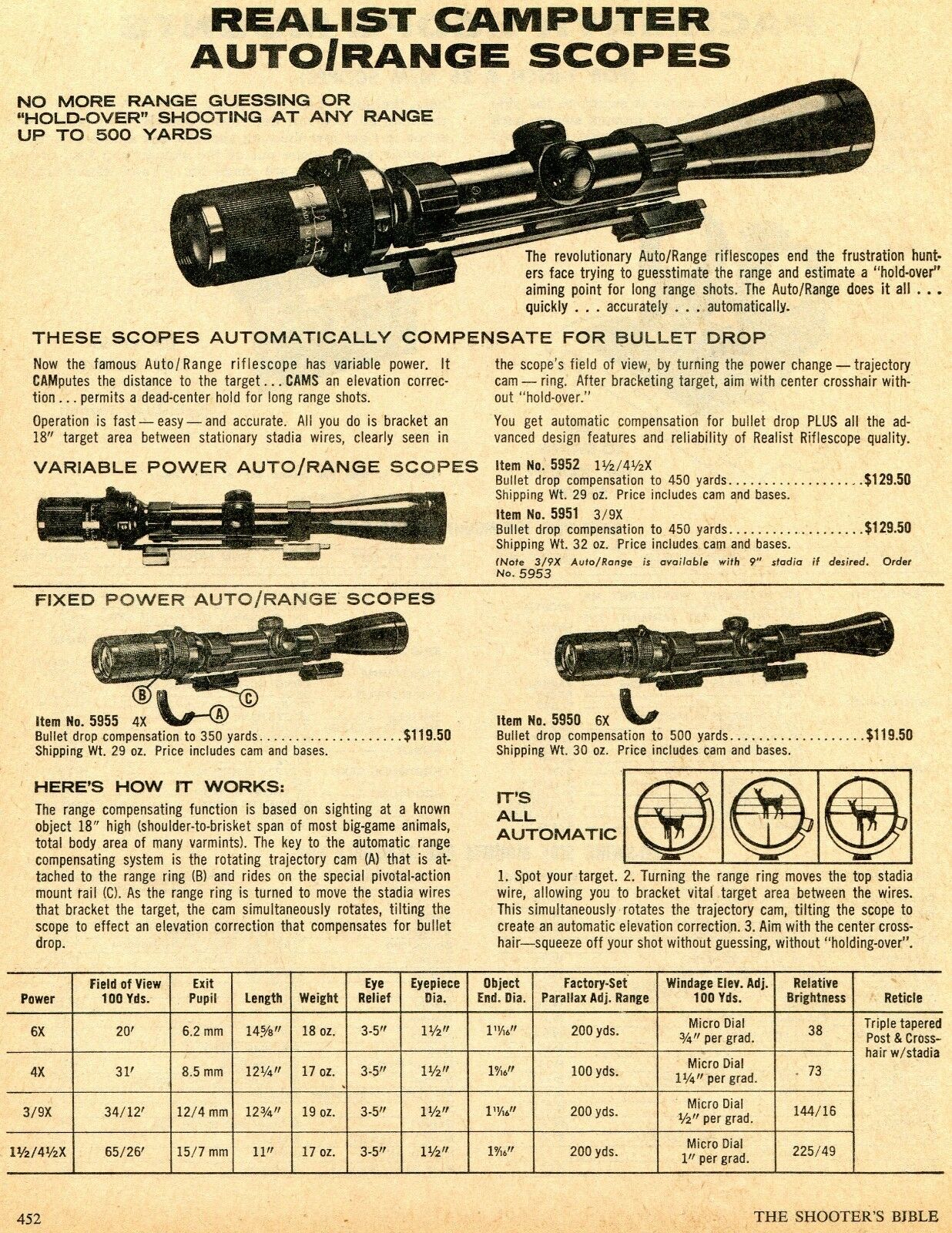
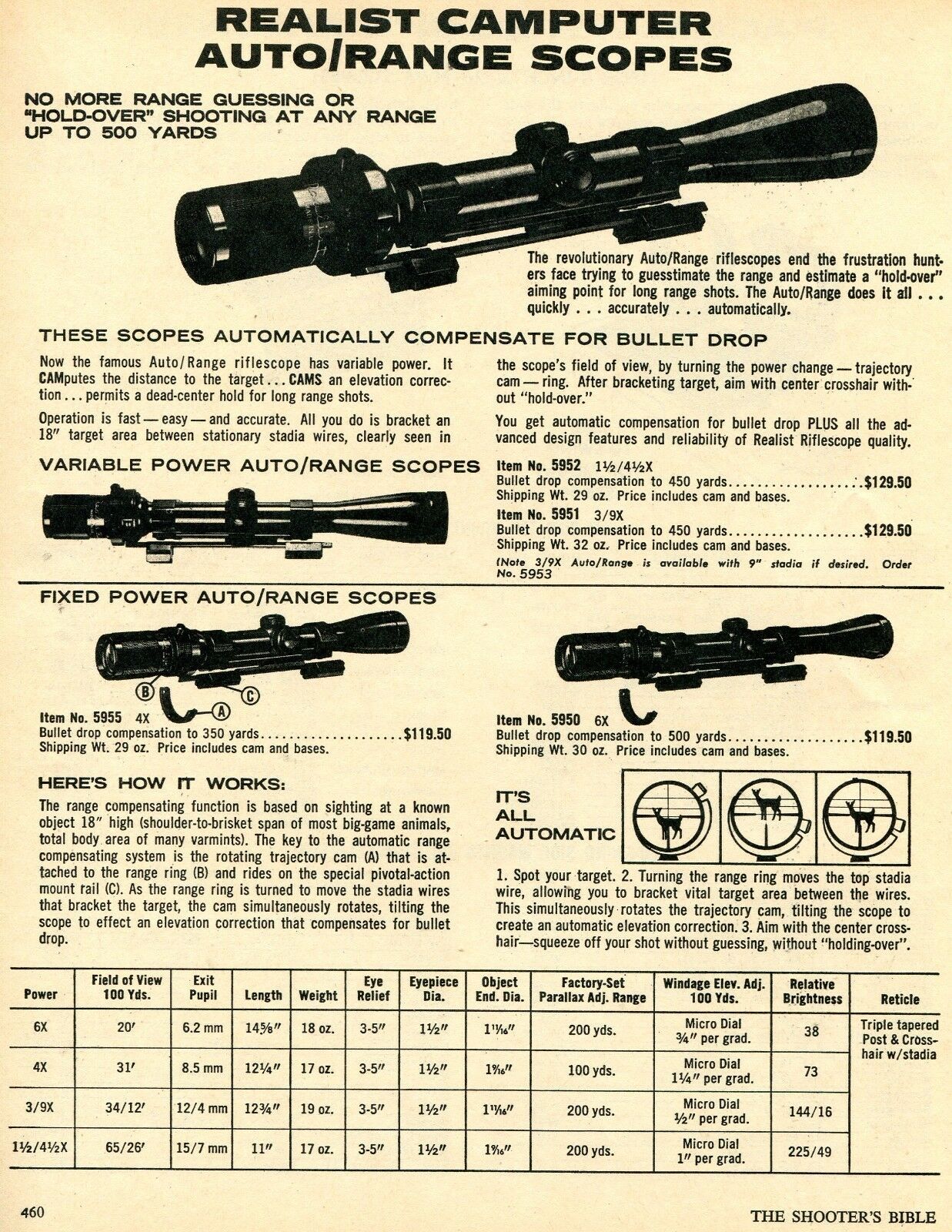
The Realist Camputer scopes appeared on the market in the late 1960s, surviving only a few years. The military version saw action in Vietnam in addition to the connection with the Colt AR-15 handle-mounted scopes. They are a Leatherwood design, and the principle is essentially that the scope's rangefinder system is linked to a cam in the mount, so that as the range is measured (using the reticle's stadia wires) the scope's elevation is simultaneously adjusted to compensate. Of course the cam had to match the trajectory of the round being used, and so the scopes were supplied with a range of cams "to suit most popular calibers"


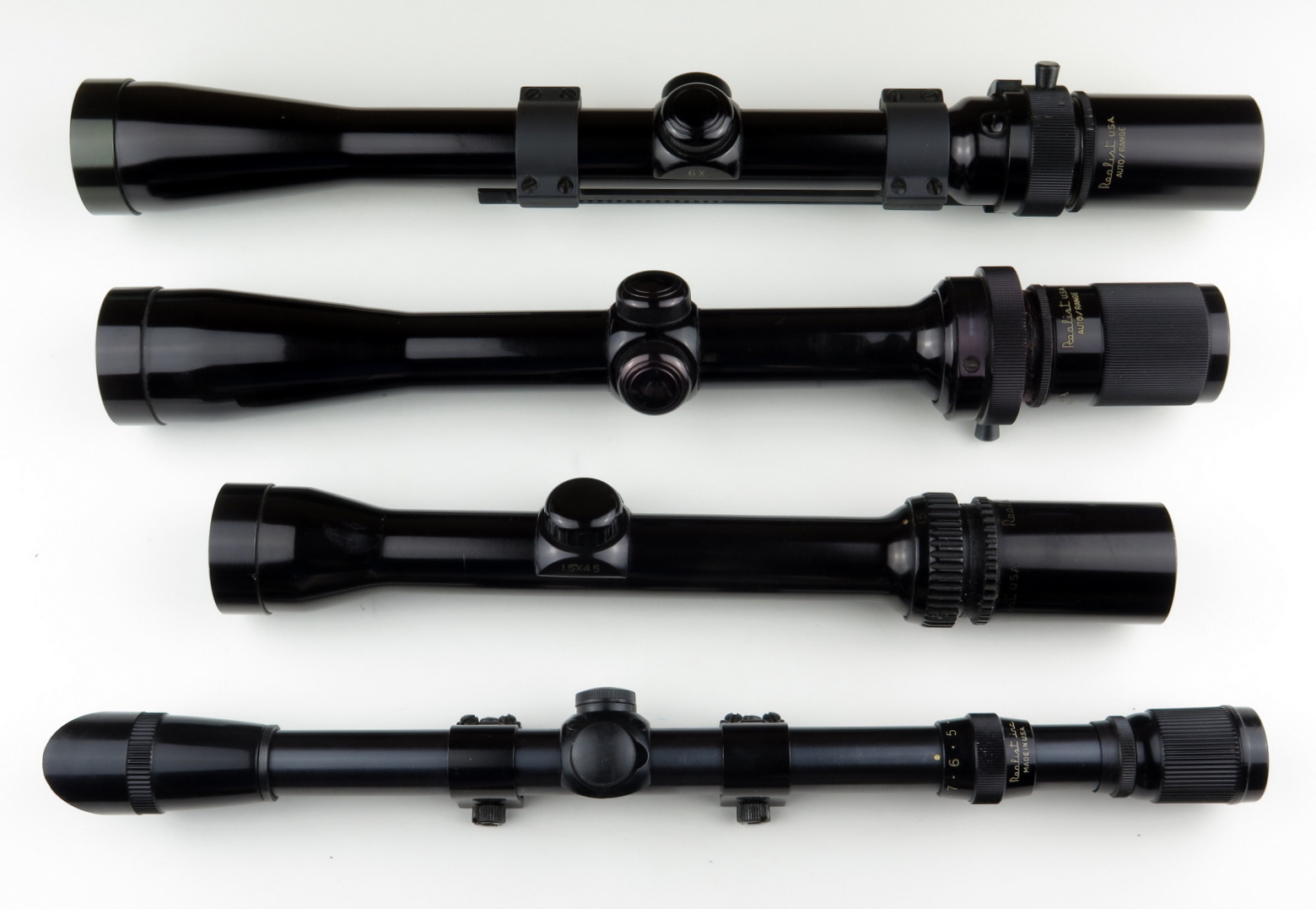
Four Realist scopes in this collection

Four Realist scopes in this collection and displayed below


Realist 'Camputer' 6x Fixed Power Auto/Range Scope

Realist 'Camputer' 6x Fixed Power Auto/Range Scope ad sheet

Realist 'Camputer' 6x Fixed Power Auto/Range Scope

Realist 'Camputer' 6x Fixed Power Auto/Range Scope-2

Realist 'Camputer' 6x Fixed Power Auto/Range Scope box label

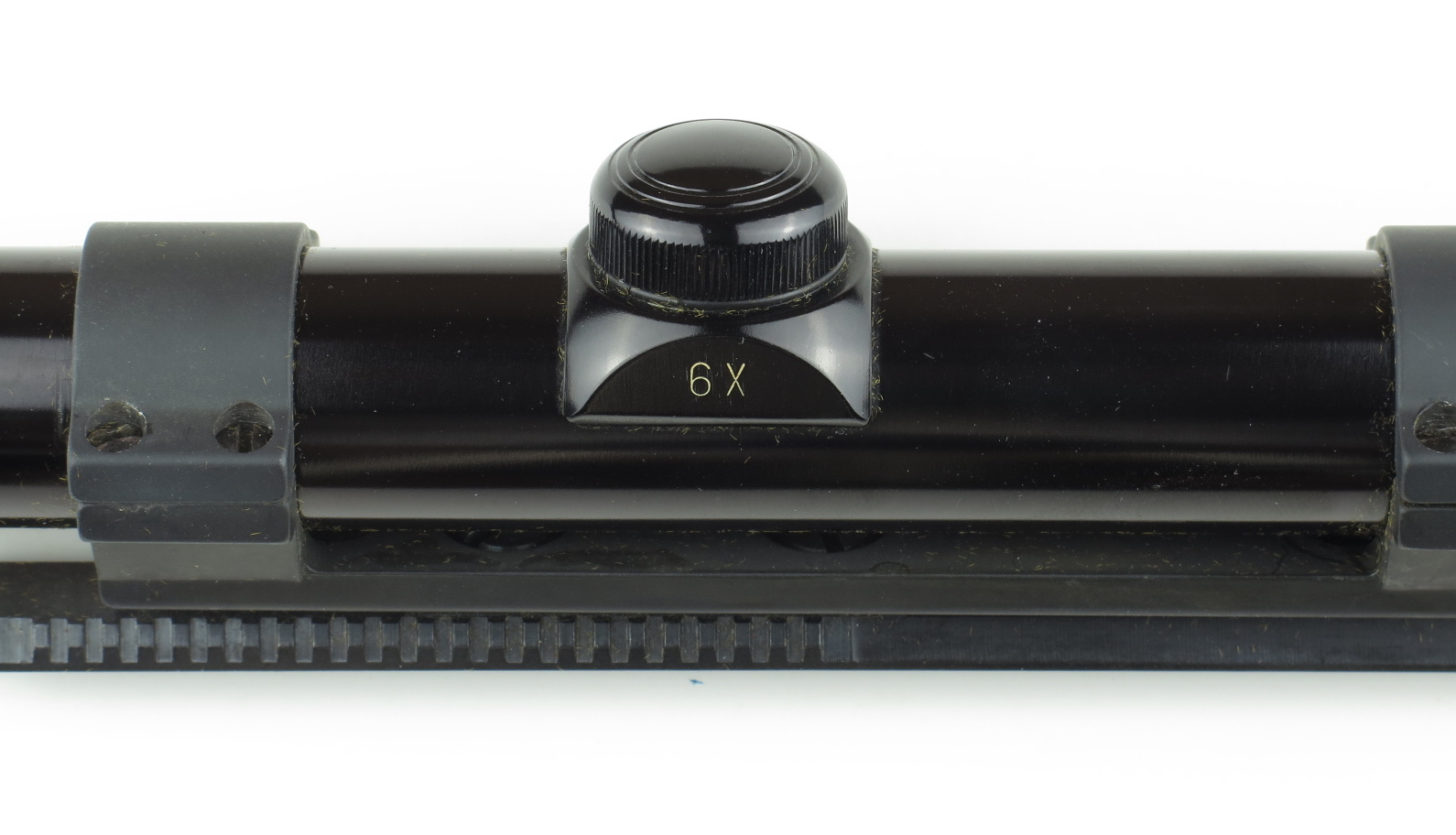
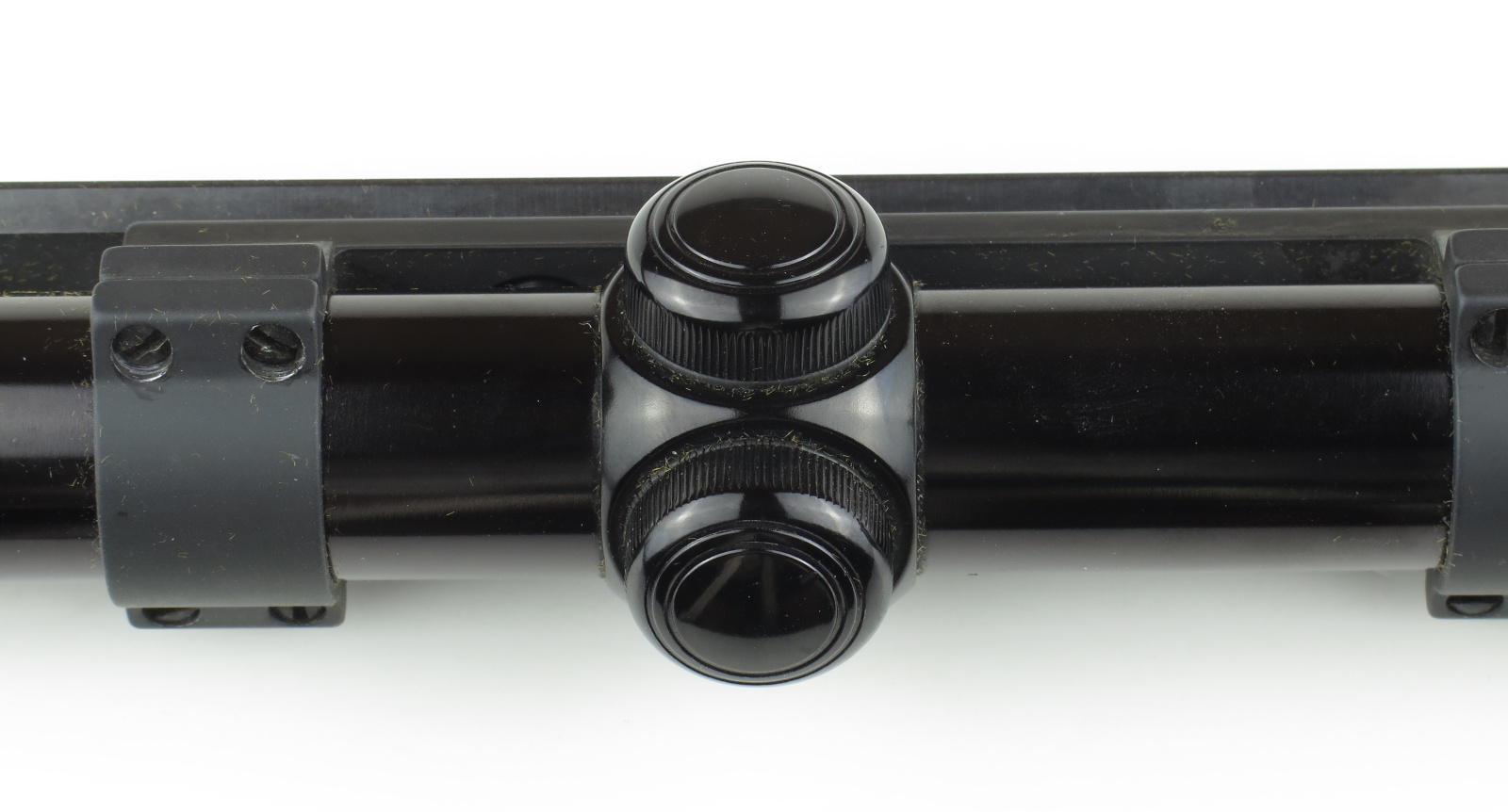
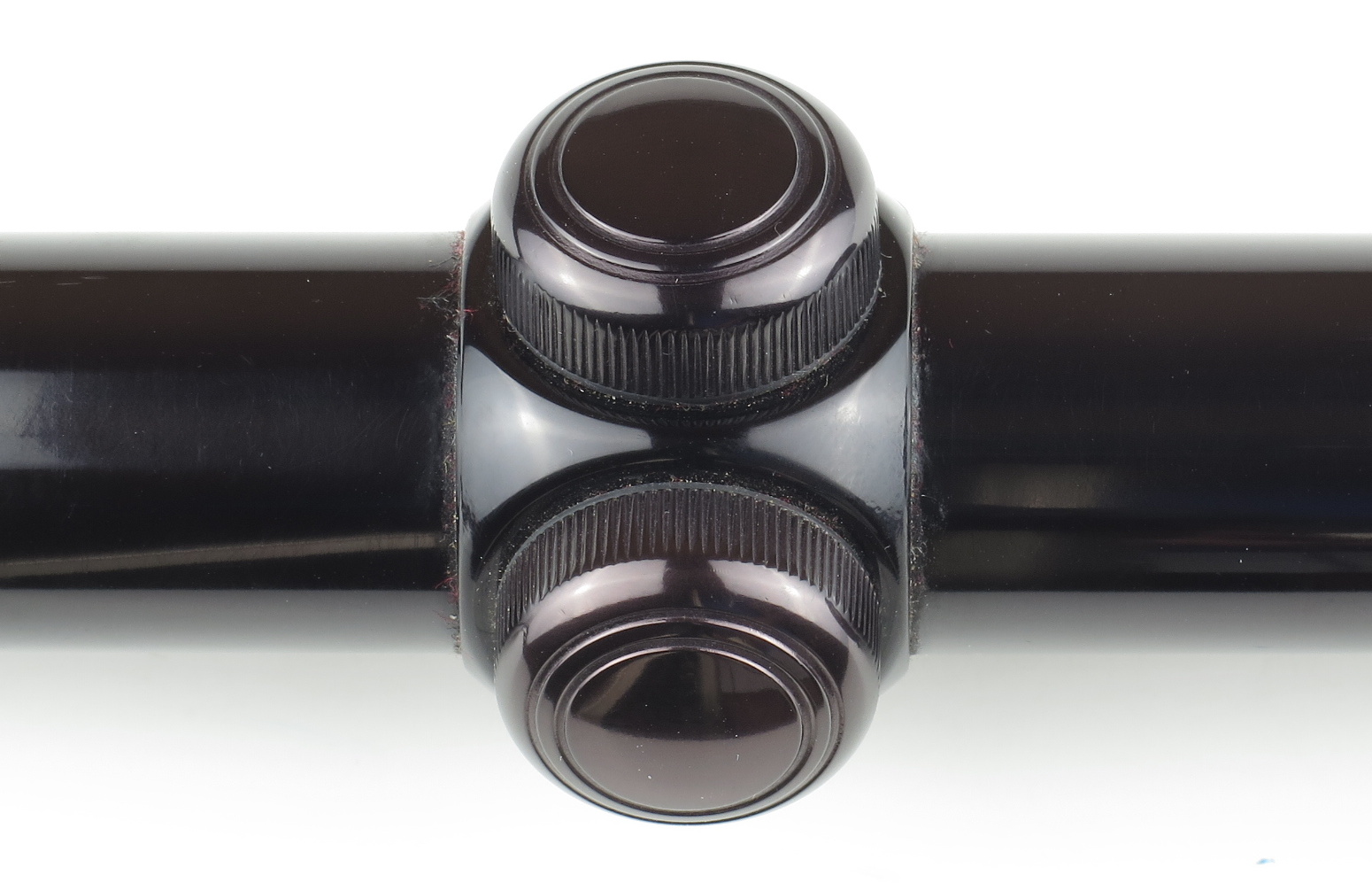
Turret with screw cap

Turret with screw cap


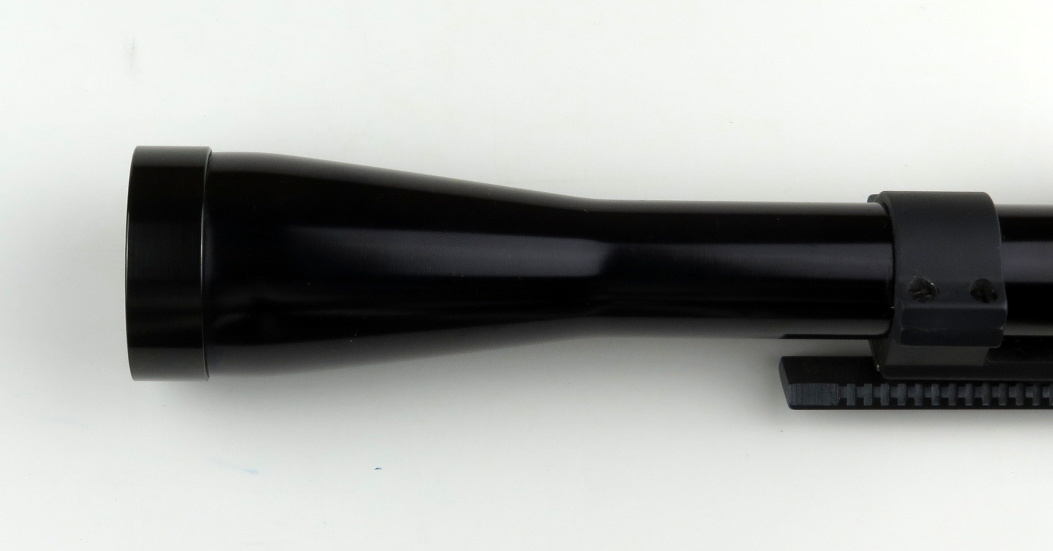
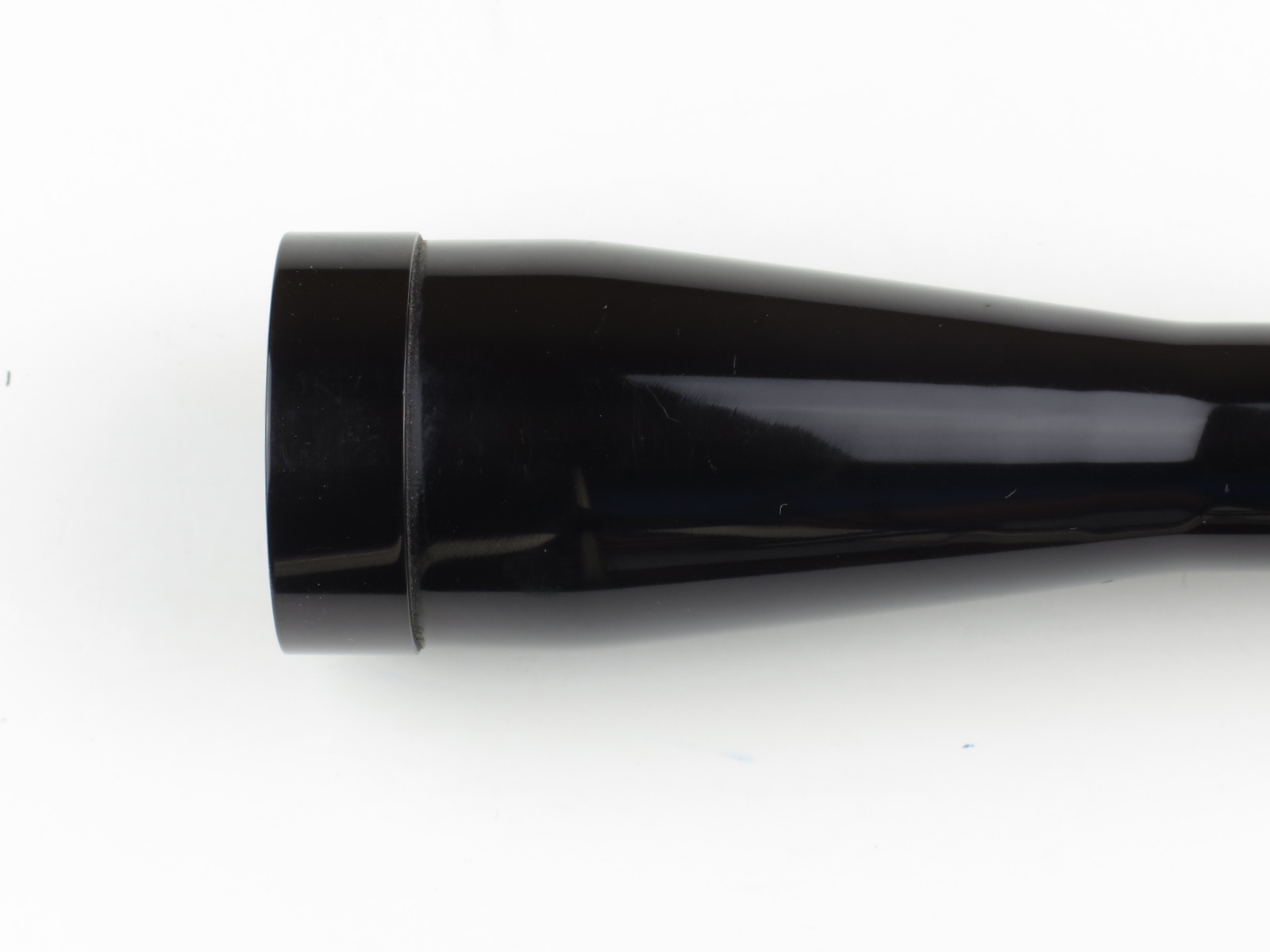
Objective end

Objective end


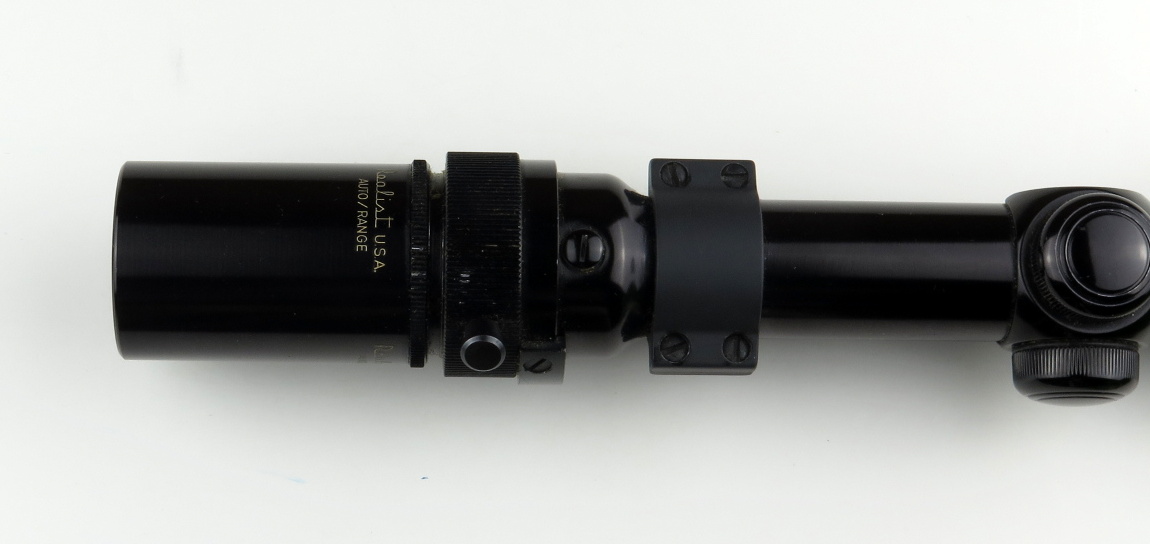
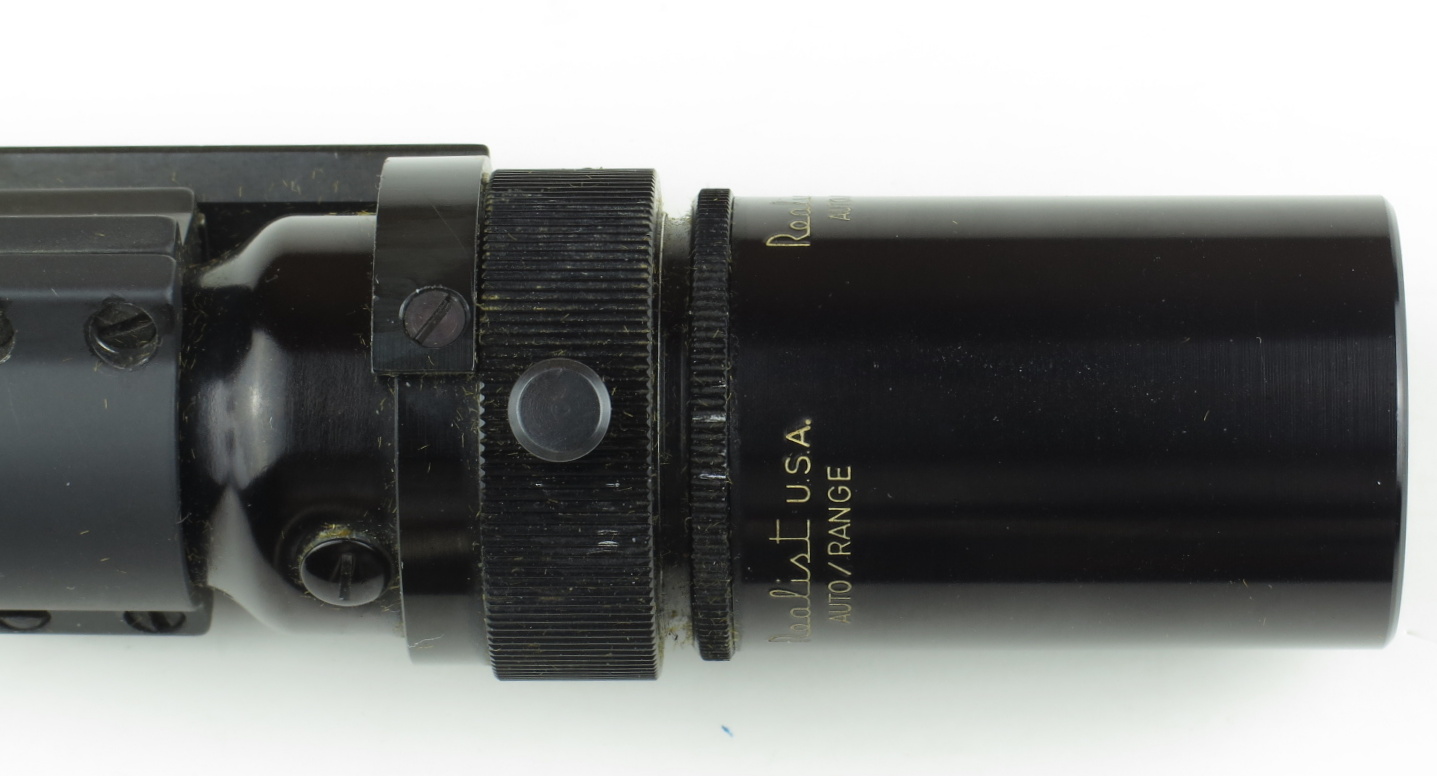
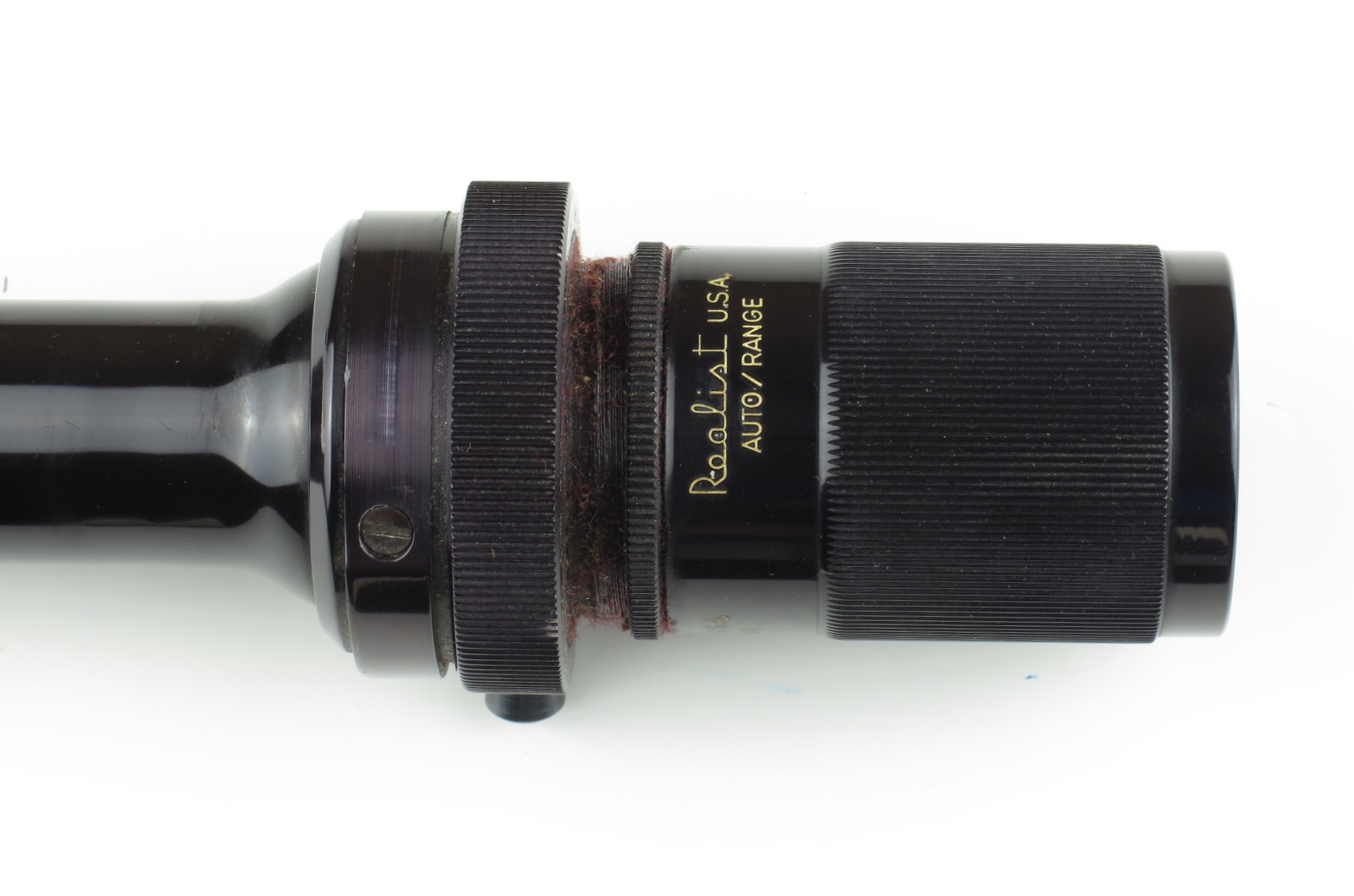
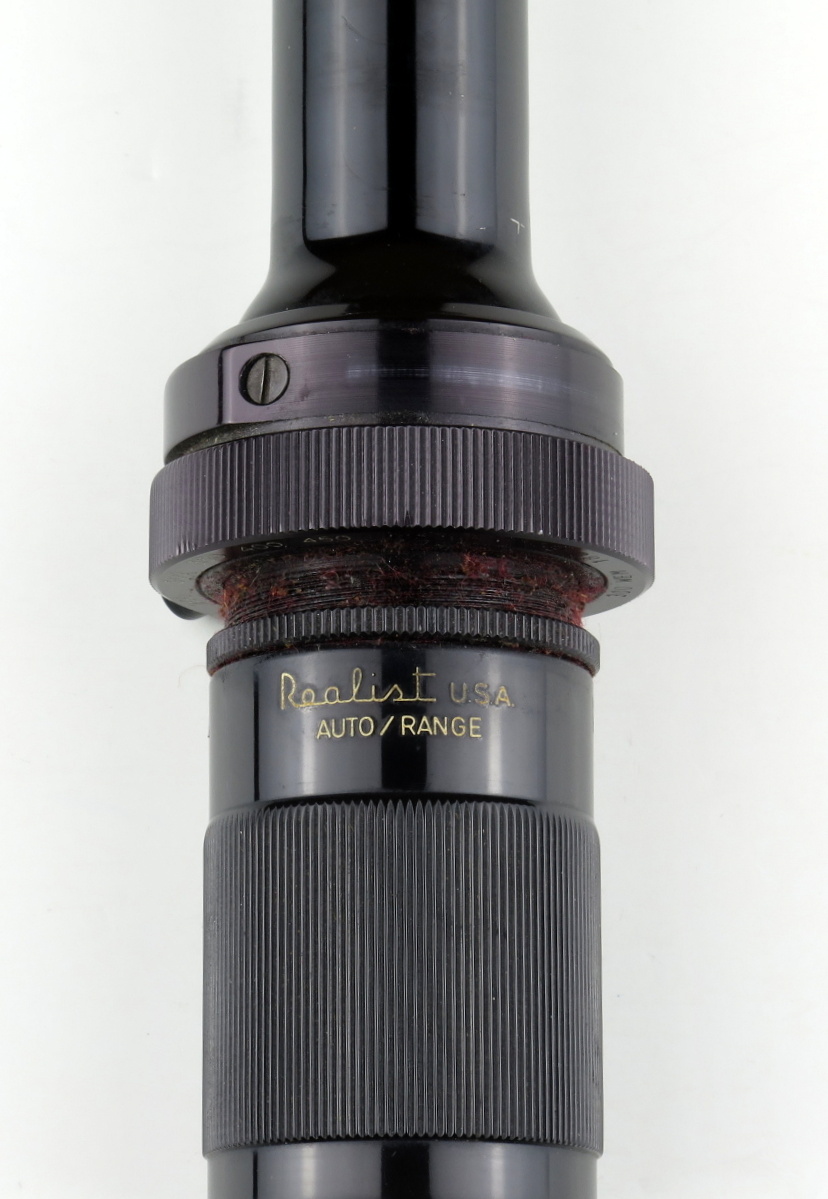
Eye-piece and controls

Eye-piece and controls


Turret controls with caps

Turret controls with caps


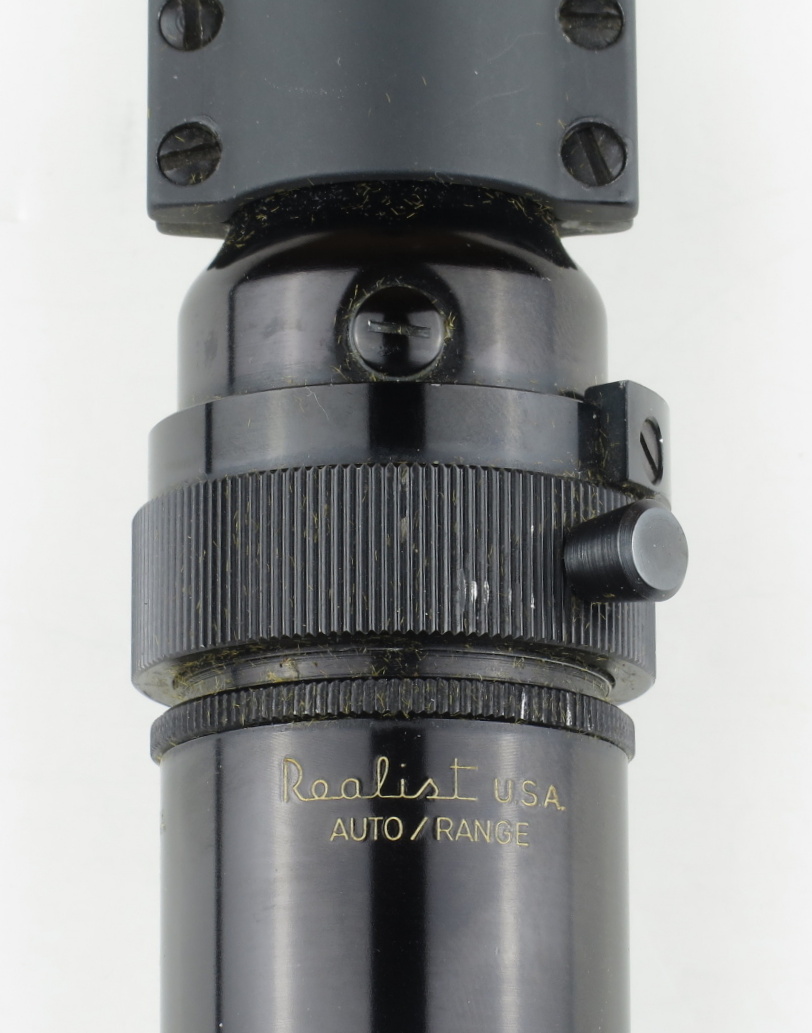
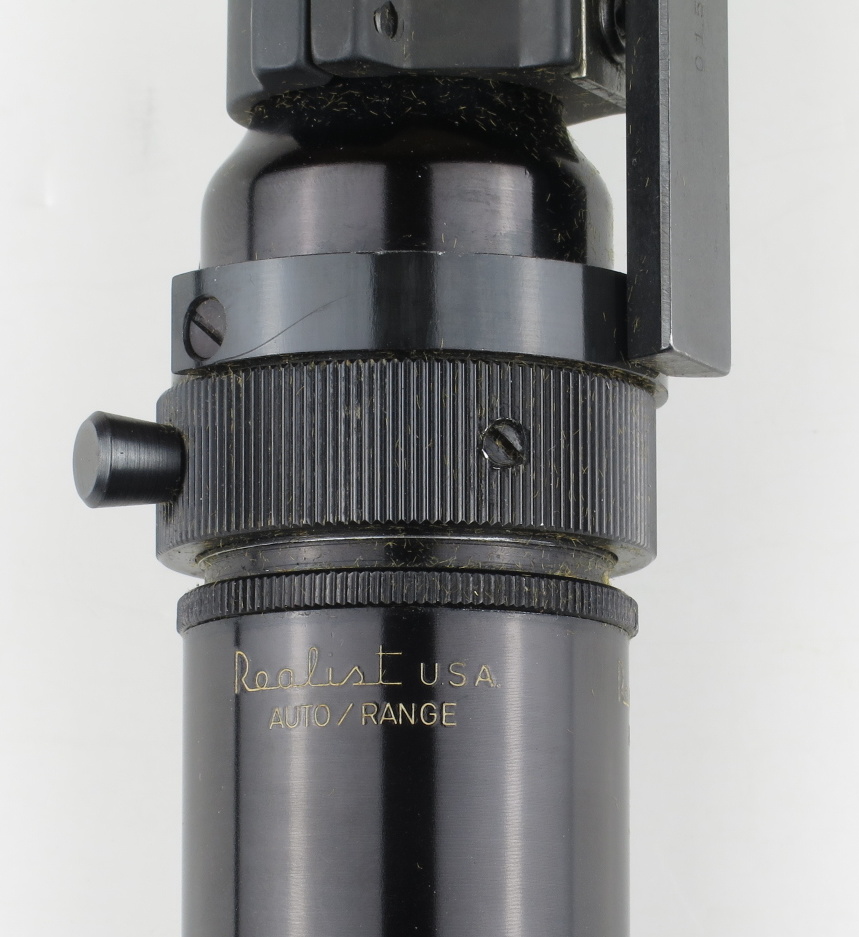
Focus control

Focus control


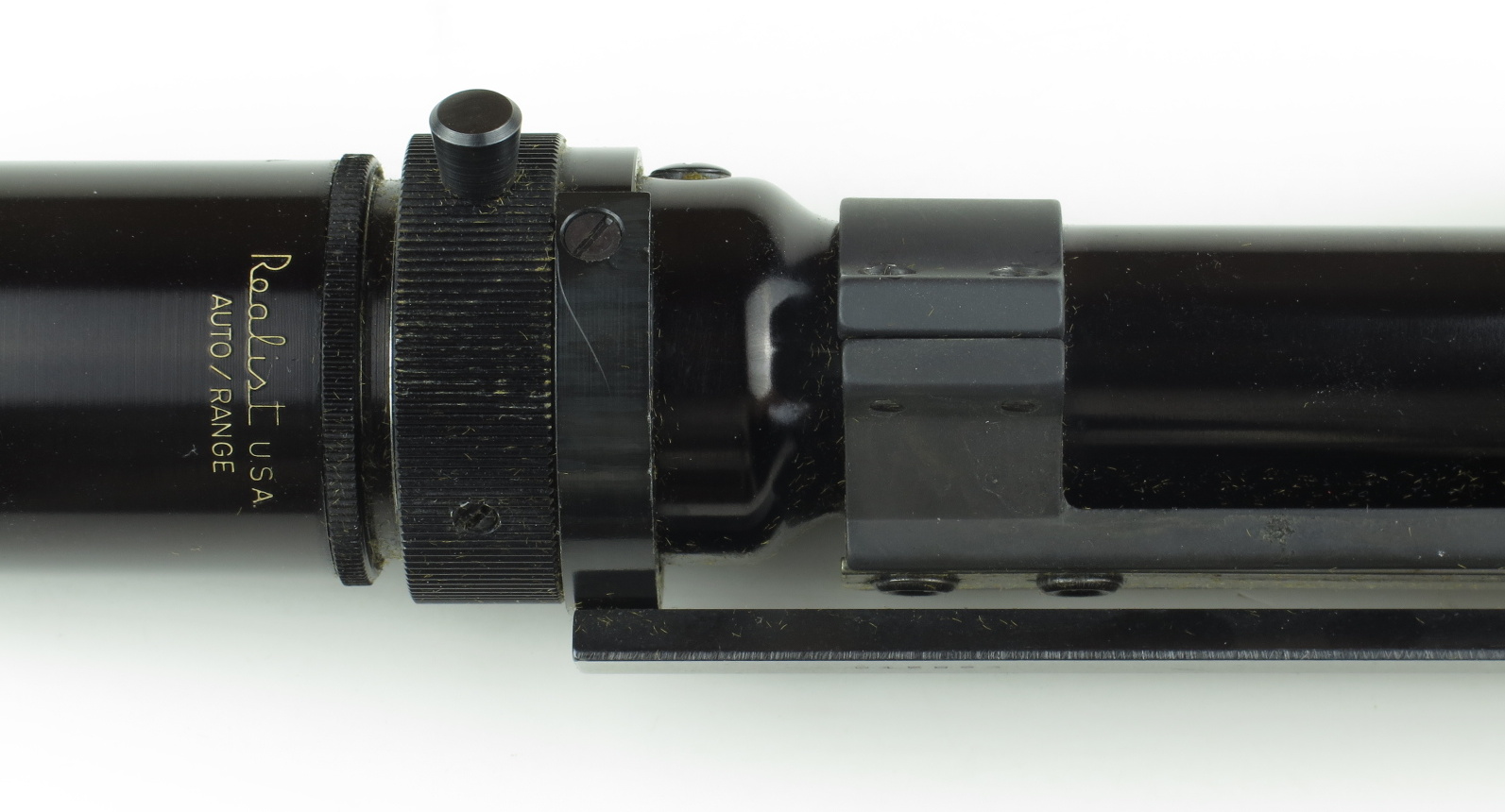
Realist data on scope barrel-1  Realist data on scope barrel-2

Realist data on scope barrel


Focus and range controls

Focus and range controls

Fixed power and auto/range scopes instructions

Fixed power and auto/range scopes instructions

Fixed power and auto/range scopes instructions-2 Fixed power and auto/range scopes instructions-3 Fixed power and auto/range scopes instructions-7

Fixed power and auto/range scopes instructions-4 Fixed power and auto/range scopes instructions-5 Fixed power and auto/range scopes instructions-6

Realist Auto/Range User Manual


Realist 'Camputer" 3x9 Auto-Range scope


Realist 'Camputer" 3x9 Auto-Range scope


Realist 'Camputer" 3x9 Auto-Range scope-2


Objective

Objective


Turret controls

Turret controls


Eye piece and controls-3

Eye piece and controls


Eye piece and controls-4


Realist 'Camputer" 3x9 Auto-Range scope instructions

Realist 'Camputer" 3x9 Auto-Range scope instructions


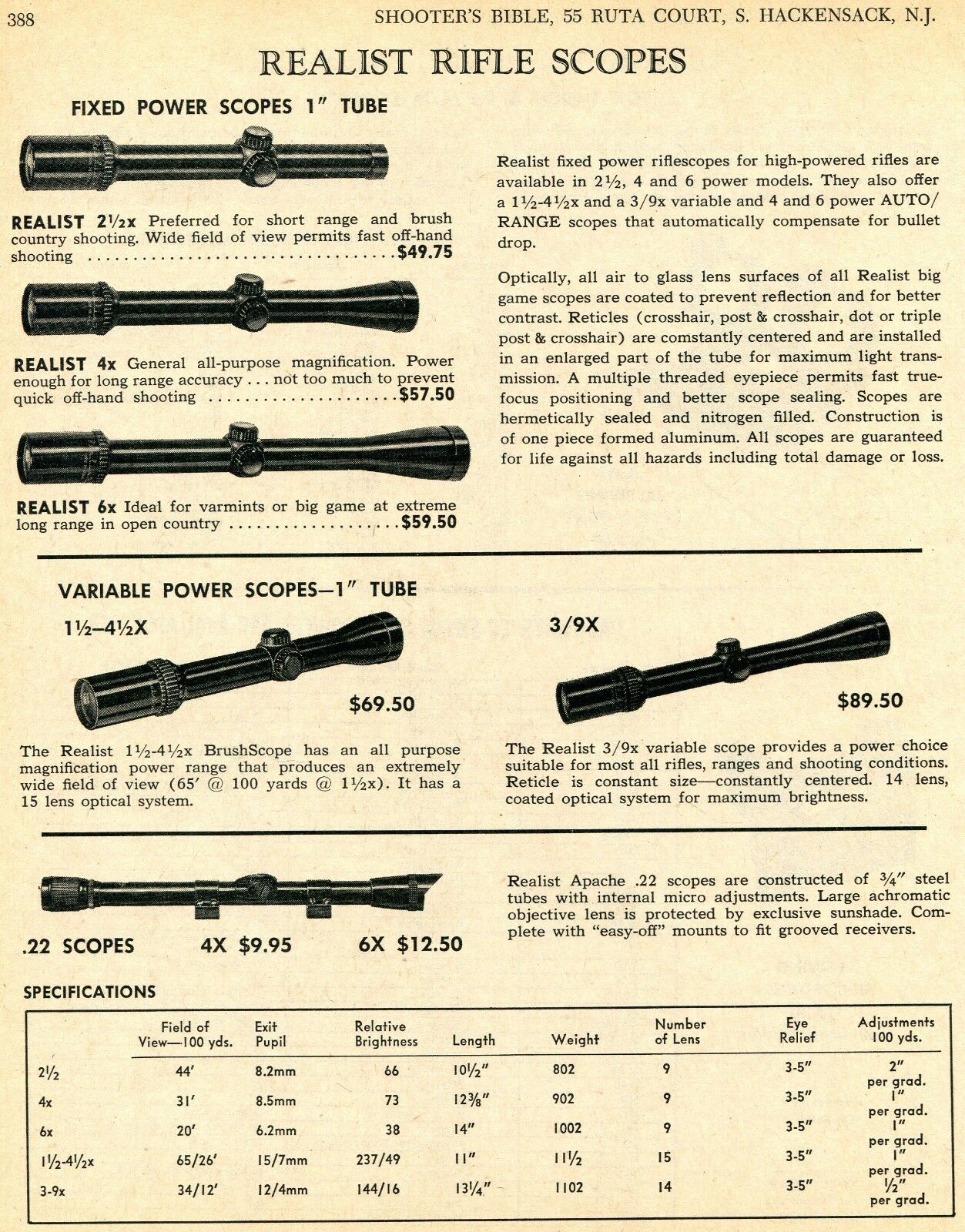
Realist commercial rifle scopes ad c. 1969-75

Click on images to enlarge

1969 Print Ad of Realist Fixed Power 2-1/2 X 4X 6X & Variable 3-9X Rifle Scope 1971 Print Ad of Realist Camputer Auto-Range Rifle Scope
1972 Print Ad of Realist Camputer Auto-Range Scopes Variable & Fixed Power 1972 Print Ad of Realist Rifle Scopes Fixed Power Apache & Variable Power
1974 Print Ad of Realist Fixed & Variable Power Rifle Scopes 1975 Print Ad of Realist Apache 22, Fixed & Variable Power Rifle Scope


Continue to Part: 2 of the Realist collection


For the best experience, please view this Colt website

with a format larger than a cell phone


This non-commercial Colt reference website contains aggregated research notes & images from my personal Colt collection. I occasionally use openly posted information on the internet which is used here under the Fair Use doctrine for educational purposes. The information displayed is not in anyway meant to infringe on copyrighted material ....