Antique Surgical Instrument Identification
The typical instruments found in large and small amputation or surgical sets are illustrated on this page. The names of the various instruments are those used during the 1800's. As is typical of those instruments made prior to sterilization in the 1870's, the handles are of ivory, ebony, horn, or wood. Metal handles are typical of the post 1880's time frame.
The instrument list is not that long because surgeons of this time did not do invasive surgery into the body cavities that often. The reason: post incision infection caused a high mortality rate...the patient died!
Correct identification of surgical instruments is necessary to date and determine if a given instrument is correct for a given set. Markings on the instrument are usually the name of the maker. Variation in the font and spelling of the printed name can determine the date and correct time frame.
Various kinds of bullet removing instruments from the Tiemann catalog 1870's
Anatomy of surgical knife blades as an aide to dating them
Information on dating instruments and sets
1866 Gemrig catalog with diagrams of instruments.
Tiemann maker marks on instruments
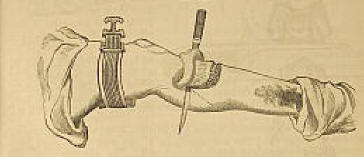
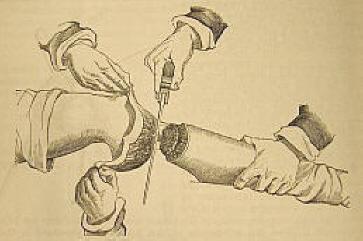
Use of Tourniquet, Liston Knife & Capital Saw
See an article on suture needles and suturing
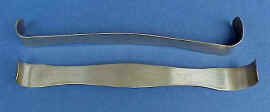
Tissue retractors to hold back muscle during resection of the bone
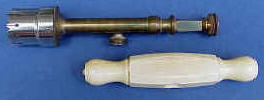
Early style trephine (skull drill) and handle for opening the skull bone. Disassembled.
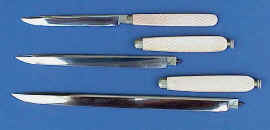
Large amputation knives (with removable handles) for large muscle cutting
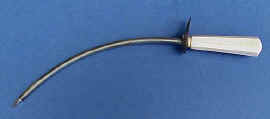
Trocar for bladder puncture or drainage of a body cavity
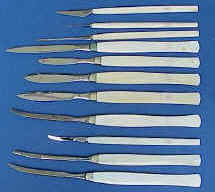
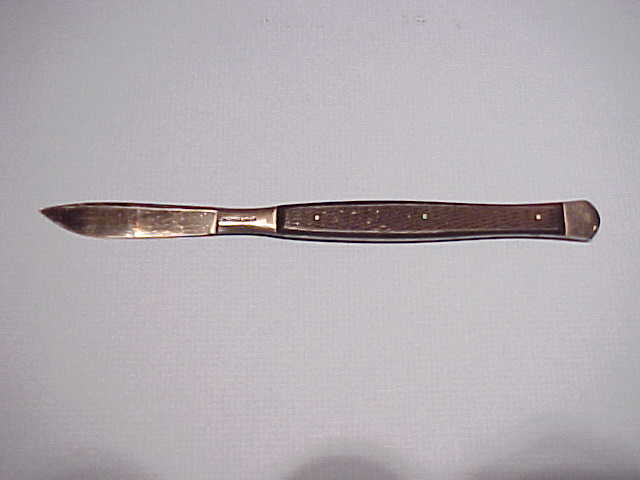
Scalpels above, curved bistouries below are for dissection of ligaments and tissue
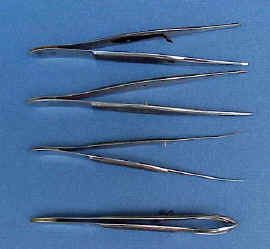
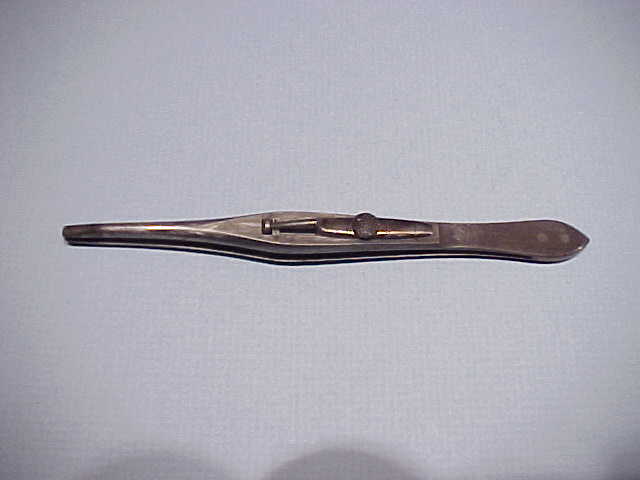
Tissue or artery forceps (tweezers) for holding tissue or an artery while tying it off to stop bleeding
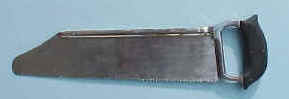
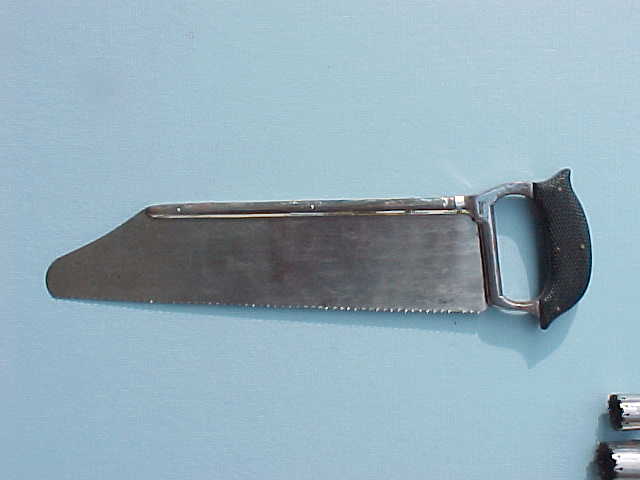
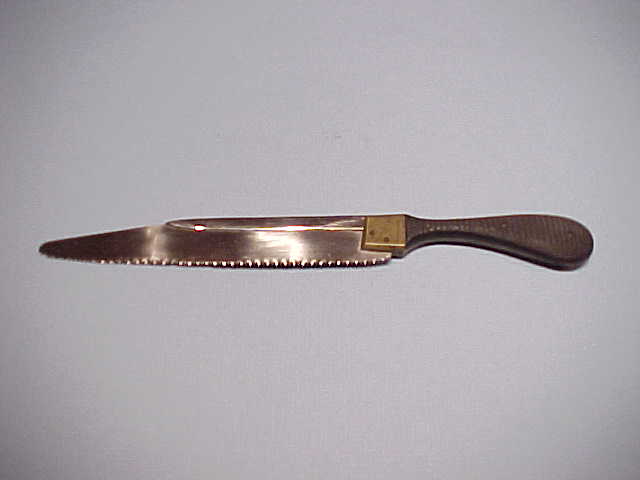
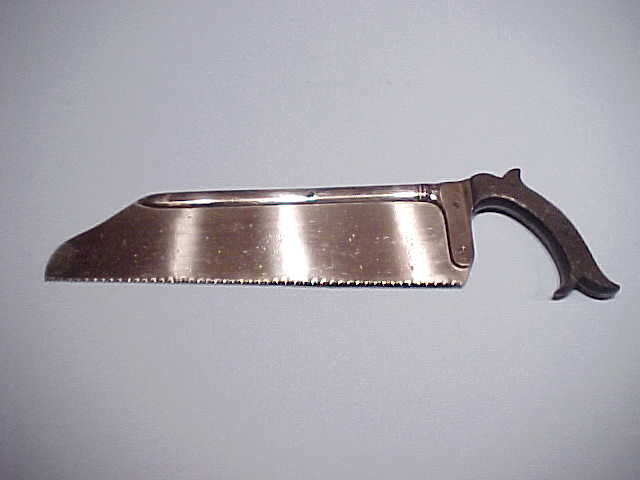
Capital amputation bone saw for resection of large bones of the leg or arm
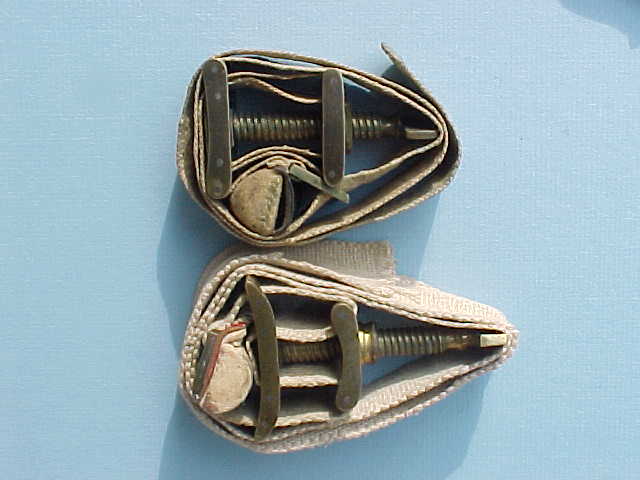
Tourniquets to compress arteries above the cut during amputation
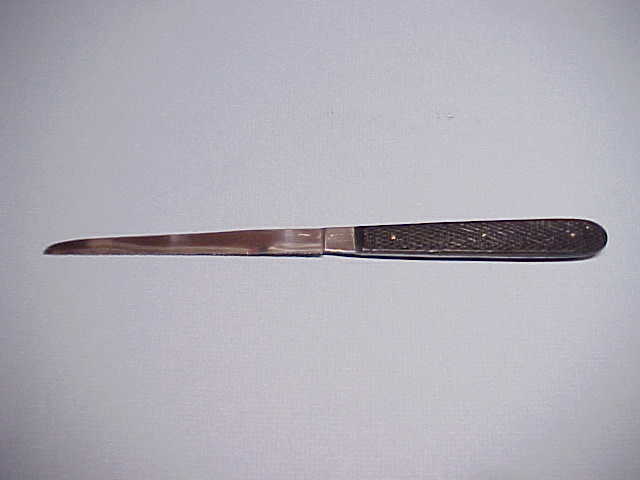
Scalpel for tissue incision, this particular type is usually found with a trephine
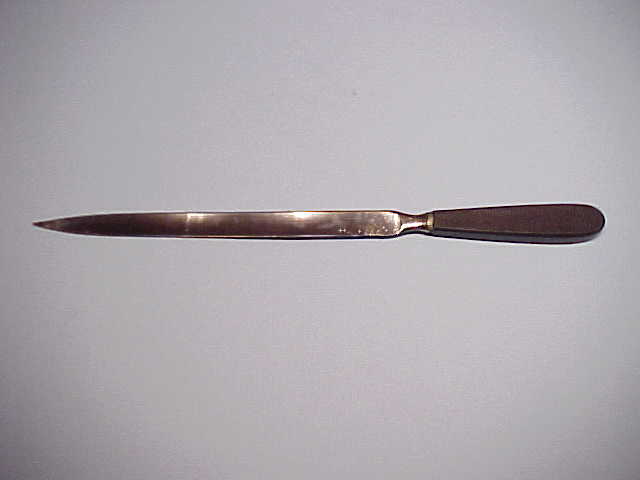
Catlin (double sided) amputation knife for cutting in both directions
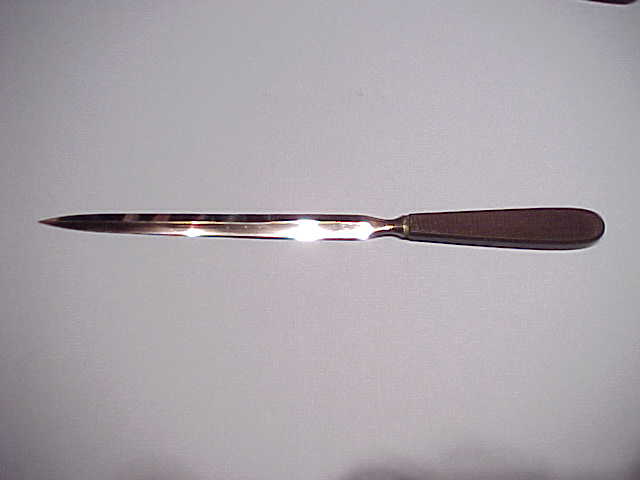
Single sided large Liston type amputation knife
Large lifting back metacarpal saw for cutting fingers and tendons
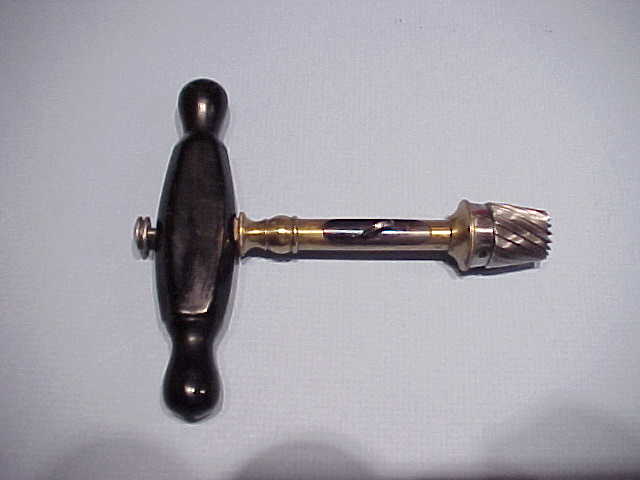
Later style trephine used to open skull bone (assembled)
Hey saw to cut into the skull bone
Early Capital saw for large bones
Metacarpal saw for small bones
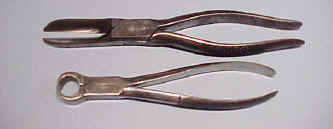
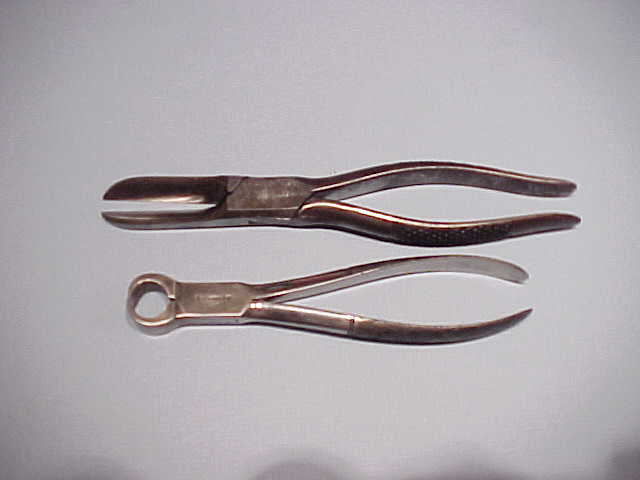
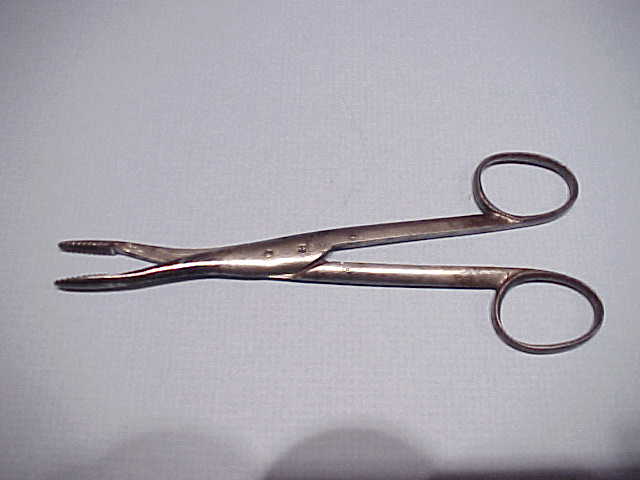
Bone cutting forceps (ronguer) for trimming bone fragments or finishing cuts
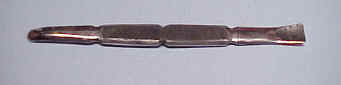
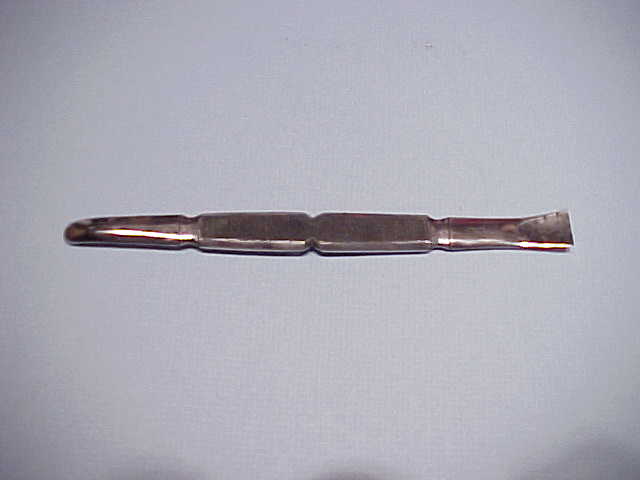
Bone file for smoothing edges and lifting out parts of bone. Usually found with a trephine
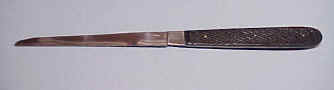
Metacarpal saw to separate small bones of hand or foot
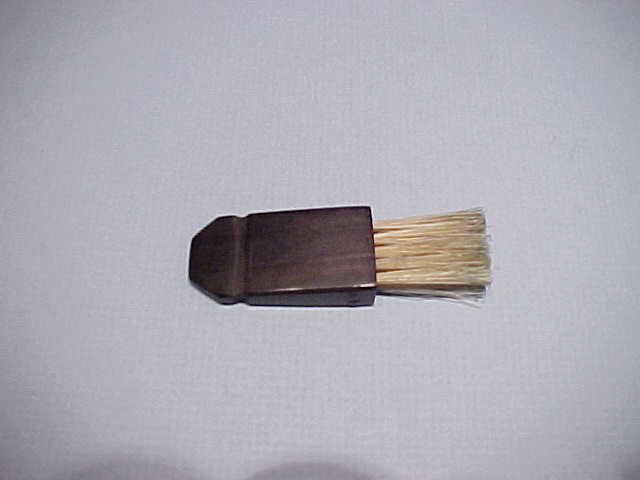
Bone brush to remove bone sawdust from the cutting site. Usually found with a trephine
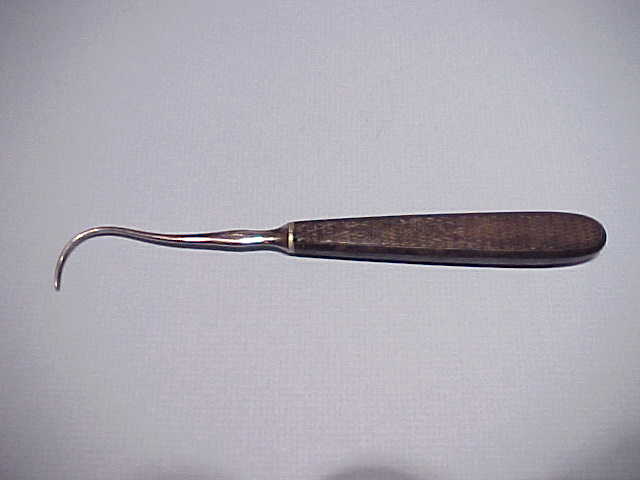
Tenaculum for hooking arteries to pull them out enough to tie them off
Locking forceps to hold tissue
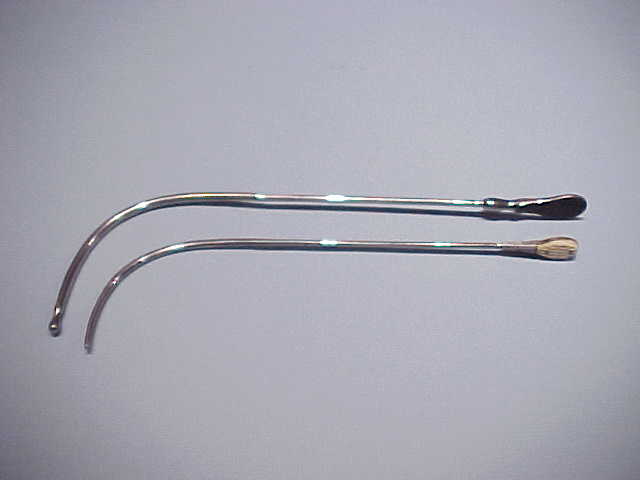
Urethral staves or sounds to open urinary canal into the bladder
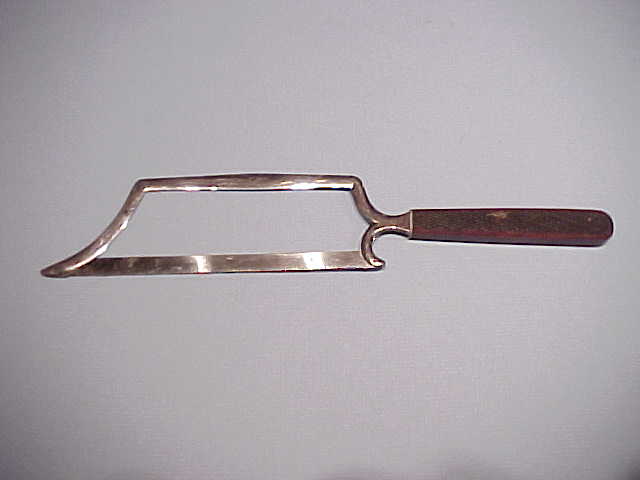
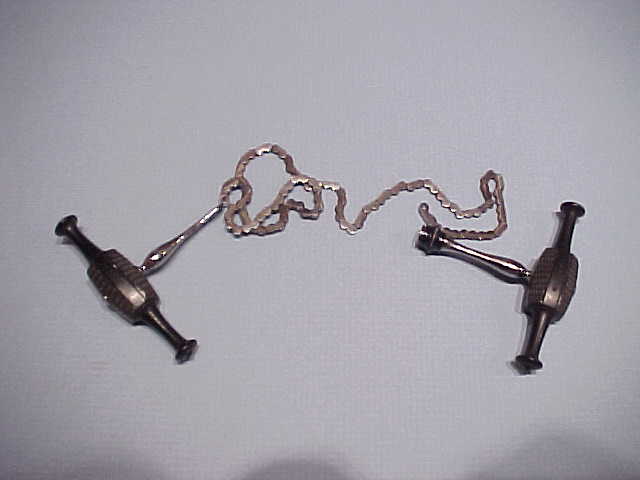
Chain saw for cutting bone in tight spaces
Bone sequestrum or tissue forceps
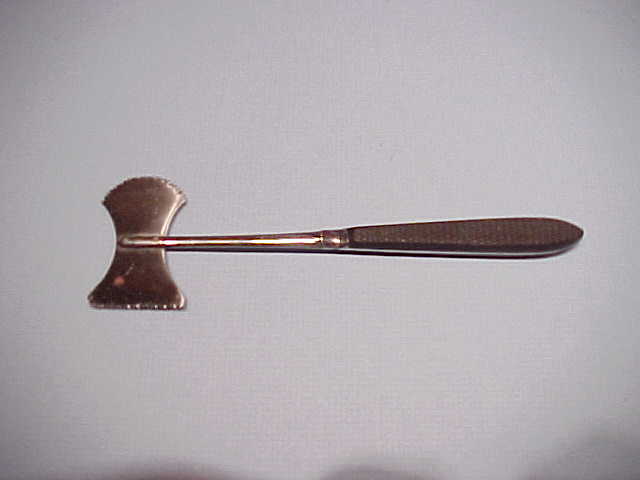
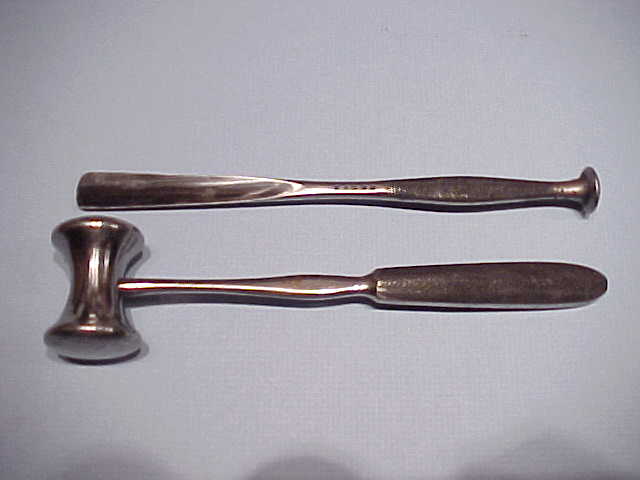
Bone chisel and hammer used to trim bone
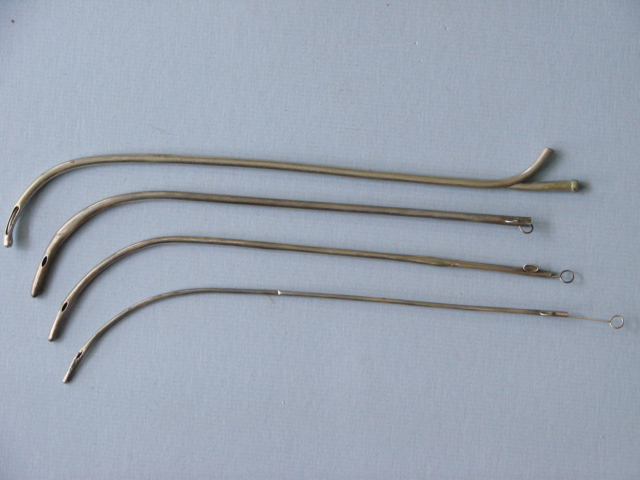
Urinary catheters used to drain the bladder when the urethra is blocked
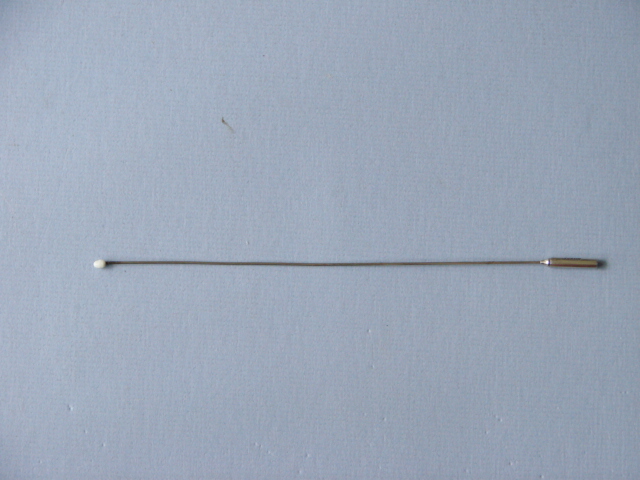
Bullet probe with porcelain tip, used to find lead bullets by touching and marking the porcelain
Civil War Union Army Circular No. 7. Surgeon General's Office, ( May 7, 1863)
ALLOWANCE OF SURGICAL INSTRUMENTS FOR MEDICAL OFFICERS, FOR STAFF SURGEONS AND ASSISTANT SURGEONS.
FOR CAPITAL OPERATIONSTwo Amputating Knives, one long, one medium.
Two Catlings, one long, one medium.
Four Scalpels.
One Cartilage Knife.
One Capital Saw, long, bow, two blades.
One Metacarpal Saw.
One Chain Saw.
One Hey's Saw.
One Trephine, conical.
One Trephine, small crown.
One Bone Forceps, Liston's long, sharp, spring handle.
One Bone Forceps, broad-edged, slightly curved, spring handle.
One Bone Forceps, gnawing, spring handle.
One Bone Forceps, sequestrum, spring handle.
One Artery Forceps.
One Artery Needle.
One Artery Needle Key.
Twelve Surgeon's Needles.
One Tourniquet Screw, with pad.
One Tenaculeum.
One Scissors.
One Chisel.
One Gouge.
One Mallet.
Four Drills, (with one handle.)
Two Retractors.
One Raspatory.
One Elevator.
One Brush.
Twelve yards Suture Wire, iron.
One ounce Ligature Silk.
One ounce Wax.
One Mahogany Case, brass bound, slide catch.
One Leather Pouch.
FOR MINOR OPERATIONS.
One Amputating Knife.
Three Scalpels.
Two Bistouries.
One Hernia Knife.
One Finger Knife.
One Artery Forceps,
One Bail Forceps.
One Gullet, Forceps.
One Dressing Forceps.
One Dissection Forceps.
One Artery Needle.
One Artery Needle Key.
Twelve Surgeon's Needles.
One Tenaculum.
Two Scissors.
One Trocar and Canula.
One Belloc's Canula.
One Bullet Probe.
One Director.
One Cutting Pliers, small.
Six Steel Bougies, silvered, double curve,
Nos. 1 and 2, 3 and 4, 5 and 6, 7 and 8, 9 and 10, 11 and 12.
Three silver Catheters, Nos. 3, 6, and 9.
Six Gum-elastic Catheters, Nos. 1, 3, 5, 7, 9, and 11.
Twenty-four Suture Pins, silvered.
Six yards Suture Wire, iron.
One ounce ligature Silk. ,
One ounce Wax.
One Mahogany Case, brass-bound, slide catch.
One Leather Pouch.
FOR THE POCKET CASE
One Scalpel.
Three Bistouries.
One Tenotome.
One Gum Lancet.
IVo Thumb Lancets.
One Razor, small.
One Artery Forceps.
One Dressing Forceps.
One Artery Needle.
Six Surgeon's Needles.
One Exploring Needle.
One Tenaculeum.
One Scissors.
One Director.
Three Probes.
One Caustic Holder.
One Silver Catheter, compound.
Six yards Suture Wire, iron.
One ounce Ligature Silk.
One ounce Wax.
One Russia Leather Case.
One Leather Trunk for the set.
FOR REGIMENTAL SURGEONS AND ASSISTANT SURGEONS.
FOR THE FIELD CASE.
Two Amputating Knives, one long, one medium.
Two Catlins, one long, one medium.
Three Scalpels.
Two Bistouries.
One Hernia Knife.
One Finger Knife
One Capital Saw, long, bow, two blades.
One Metacarpal Saw.
One Key's Saw.
One Trephine, conical.
One Bone Forceps, broad-edged, slightly curved, spring handle.
One Bone Forceps, sequestrum, spring handle.
One Artery Forceps.
One Ball Forceps.
One Dressing Forceps.
One Dissection Forceps.
One Artery Needle.
One Artery Needle Key.
Twelve Surgeon's Needles.
Pocket Case, the same as
One Tourniquet, screw, with pad.
One Tenaculeum.
Two Scissors.
Two Retractors.
One Trocar and Canula.
One Raspatory.
One Elevator.
One Brush.
One Bullet Probe.
One Director.
Six Steel Bougies, silvered, double curve,
Nos. 1 and 2, 3 and 4, 5 and 6, 7 and 8, 9 and 10, 11 and 12.
Three Silver Catheters, Nos. 3, 6, 9.
Six Gum-elastic Catheters, Nos. 1, 3, 5, 7, 9, 11.
Twelve yards Suture Wire, iron.
One ounce Ligature Silk.
One ounce Wax.
One Mahogany Case, brass bound, slide catch.
One Leather Pouch.
Allowed to Staff Surgeons
CONTENTS OF THE SETS OF INSTRUMENTS AND APPLIANCES REFERRED TO
IN THE STANDARD SUPPLY TABLE.
1. The dissecting case.
One Cartilage Knife.
Three Scalpels.
One Tenaculeum.
One Dissection Forceps.
One Chain and Hooks.
Two Needles and Thread.
One Enterotome.
One Scissors.
One Blowpipe.
One Chisel.
Mahogany Box.
2. The obstetrical case.
One Simpson's Forceps.
One Vectis or Lever.
One Crochet and Blunt Hook.
One Perforator.
Russia Leather Case.
3. The pocket case for hospitals.
One sharp-pointed Bistoury.
One probe-pointed Bistoury.
One Scalpel.
One Tenaculeum.
One Abscess Lancet.
One Compound Catheter.
One Straight Scissors.
One Angular Scissors.
One Dressing Forceps.
One Artery Forceps.
One Spatula.
One Director.
Two Probes.
Six Needles.
Ligature Silk and Wax.
Russia Leather Case.
4. The teeth extracting case.
One Key with three Hooks.
Two Forceps for Molars.
One Forceps for Bicuspids.
One Forceps for Incisors.
One Gum Lancet.
One Stump Elevator.
Russia Leather Case.
Please note, there is no information on this site about instruments which have all metal handles as they are post-1880's and not part of this collection.
If it has metal handles, it's post-1880 and of no interest to this web site or collection.
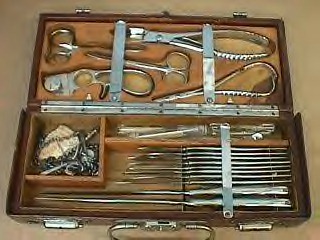
An example of a set with all metal handles: post 1890 vintage
More examples of post-1880 surgical sets