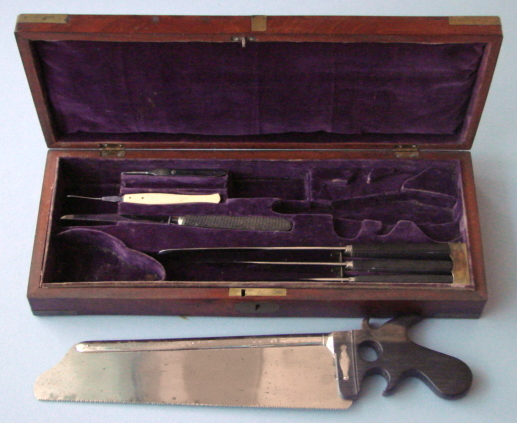
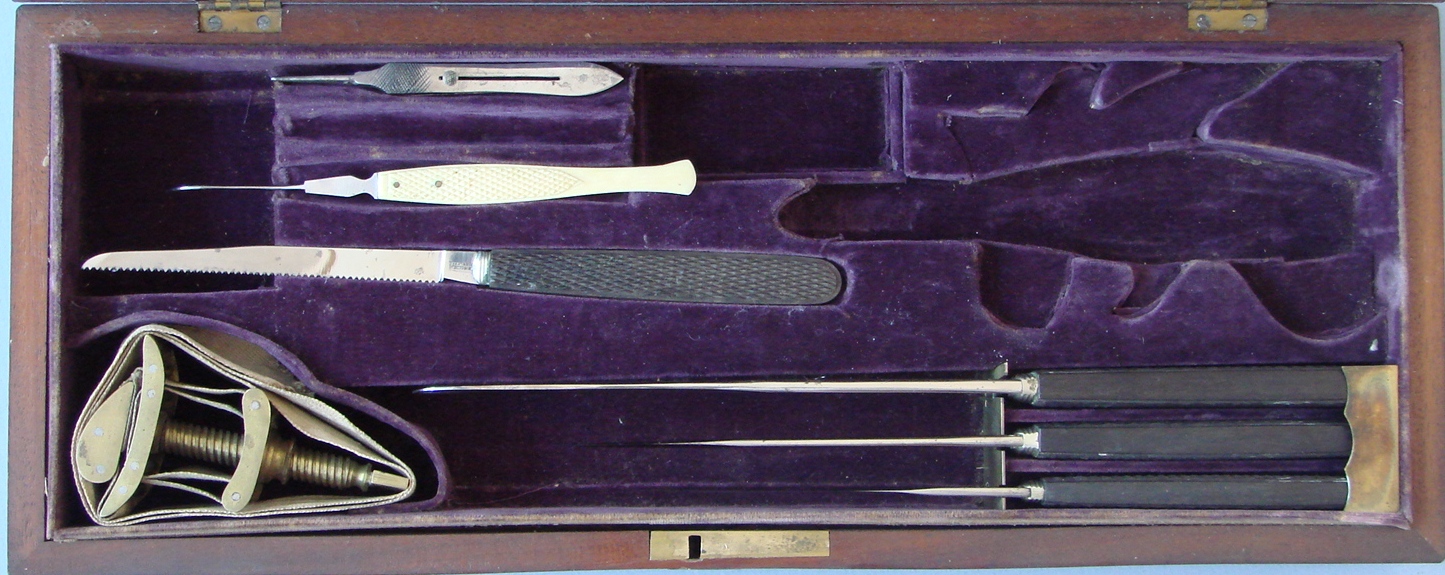
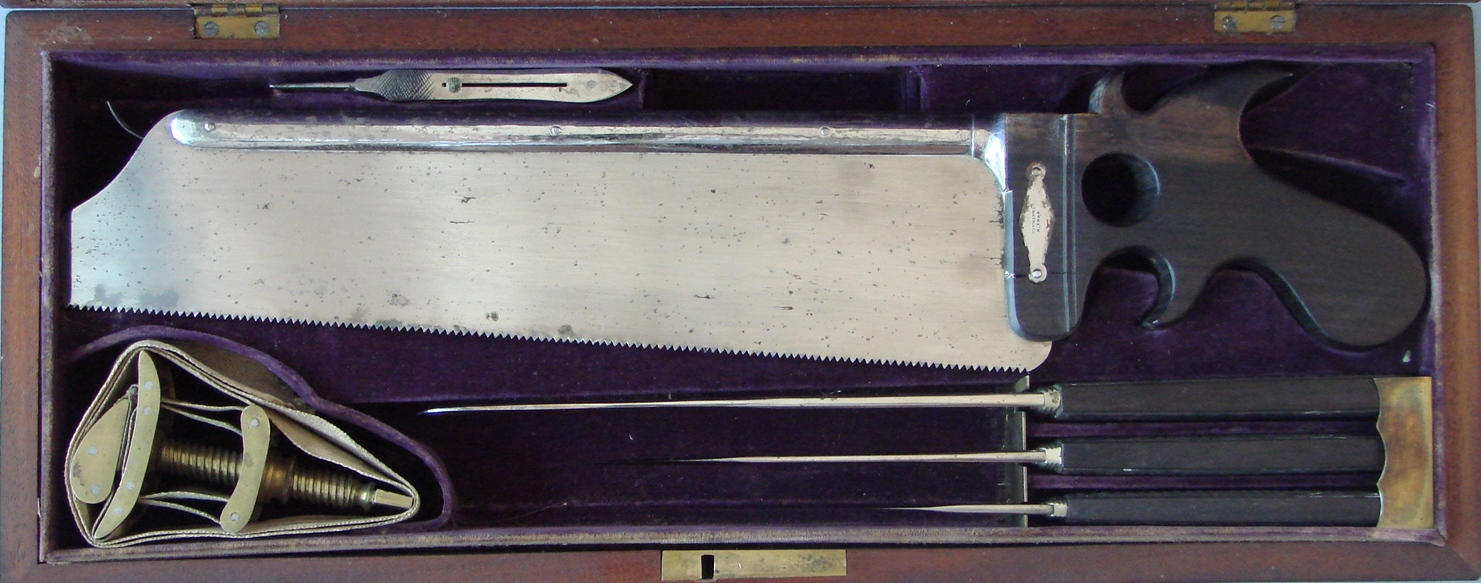
c. 1830 George Tiemann Amputation Set
The earliest known business location for George Tiemann was at 35 Chatham Street, New York City, N.Y. from 1826 to 1832. (According to Edmonson)
George Tiemann cutler
1826-32: 35 Chatham Street
1833-55: 63 Chatham Street (manufacturer of scissors and surgical instruments beginning in 1841)
Reference: Edmonson
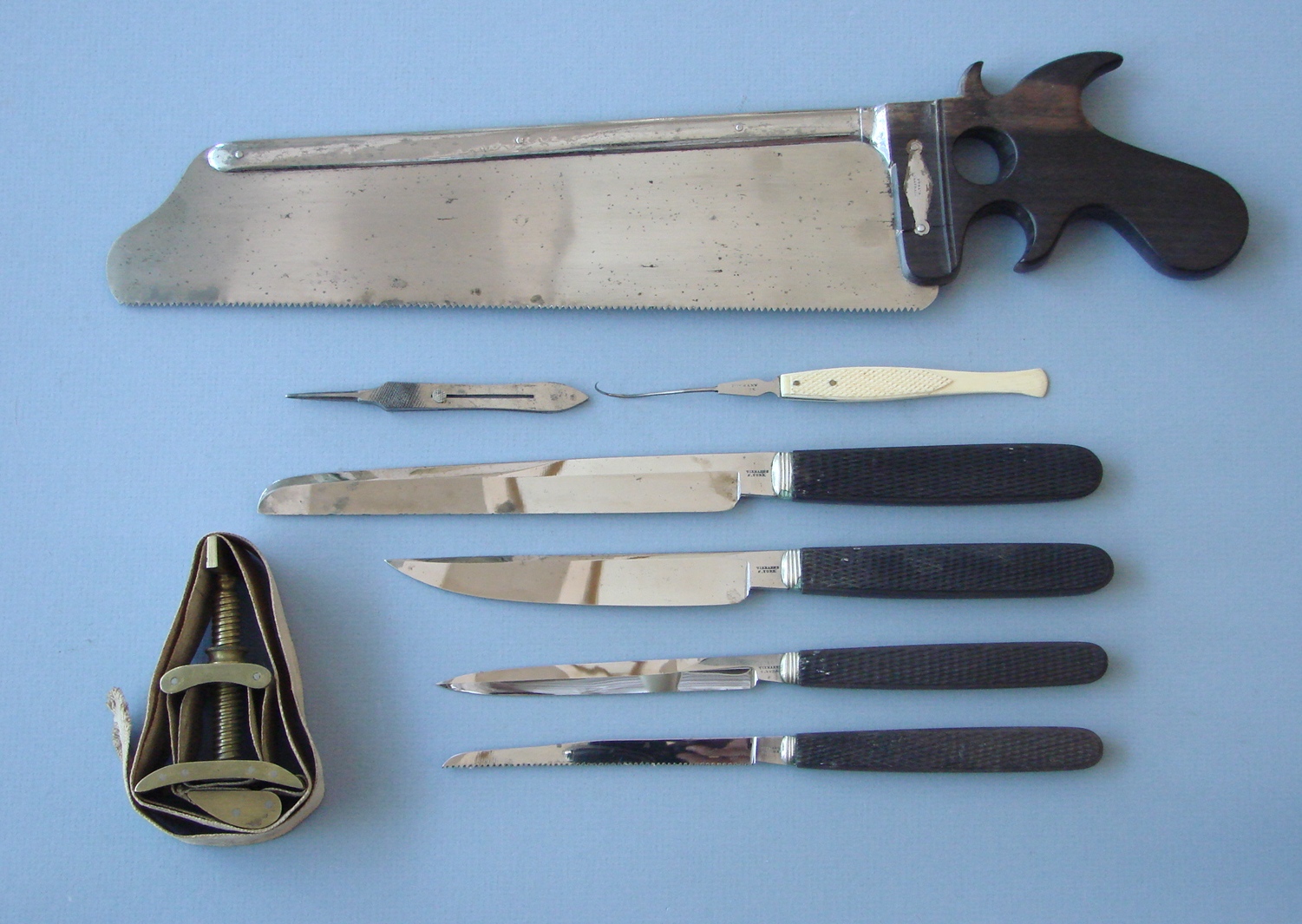
This extremely rare set dates to Tiemann's earliest production and is clearly one of the earliest examples seen from this maker. The set contains instruments marked as 'Tiemanns' as well as some of his immediate later markings, which were just 'Tiemann'. Edmonson's book features a similar saw made of ivory, which is attributed to 'Tiemanns' with an 1830 date. (See page 41, Edmonson)
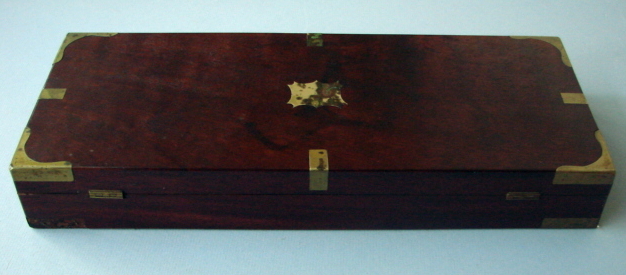
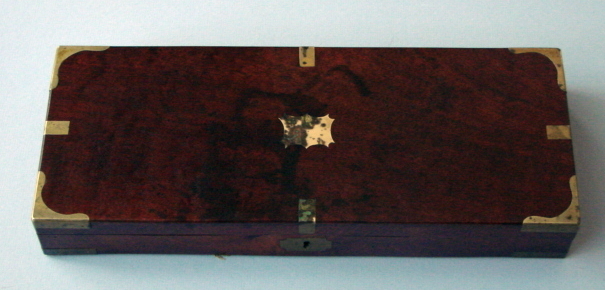
The mahogany case measures (17 3/4 x 7 x 2 1/2 inches). There are cast brass bands at all corners as well as hand-cut brass supporting straps mid-length. The brass cartouche is not engraved.
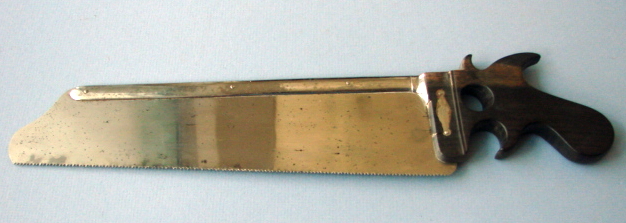
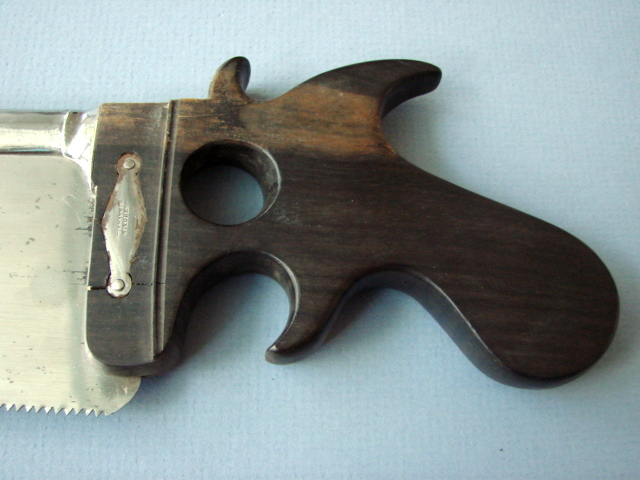
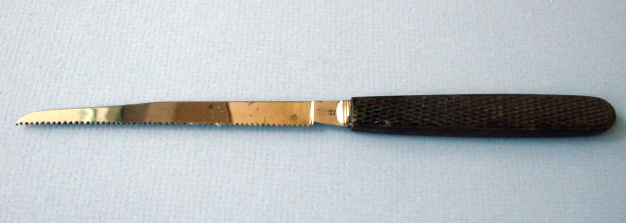
The saw is early European in design with the pistol trigger feature. The amputation knives are typical of those from American makers of the period with slight reverse curve, blunt tip, and heavy handles. The interior of the wood case is lined in purple velvet.
There are two pieces missing from the set: a small ivory handled suture instrument (between the tenaculum and finger saw) and the heavy bone forceps under the saw.
Back side
Top front
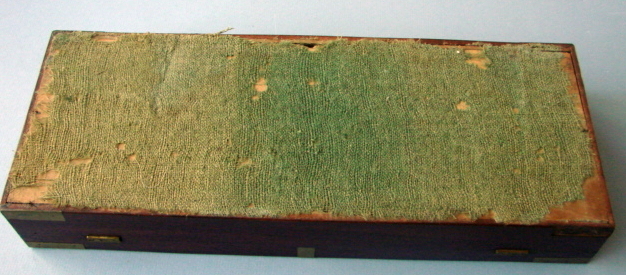
Bottom covered with burlap fabric
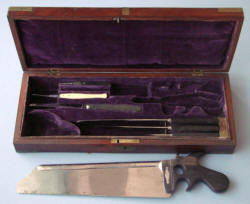
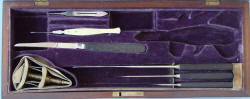
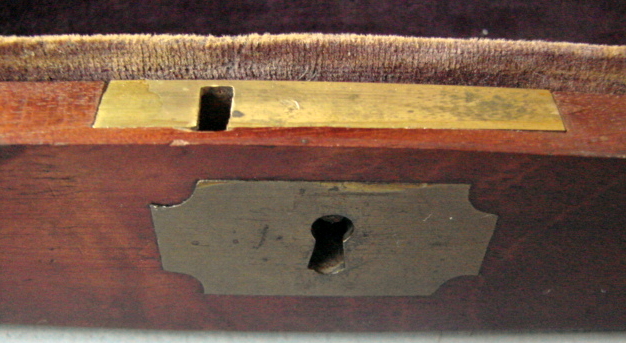
The tip of the saw is long so there is a slot cut into the left side of the case to hold it in place
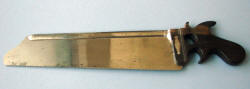
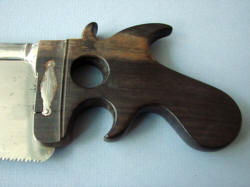
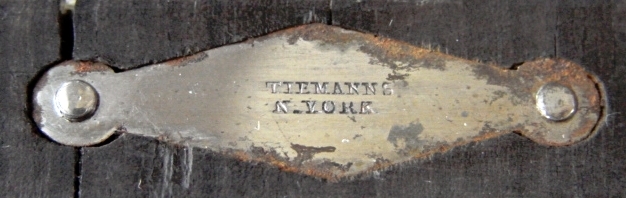
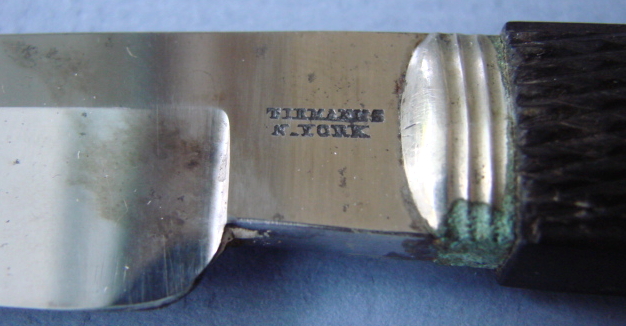
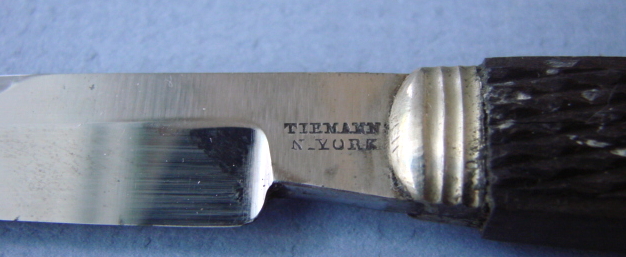
Note the 'Tiemanns' N-YORK mark on the capital saw
Finger saw
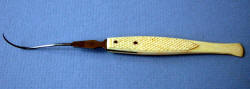
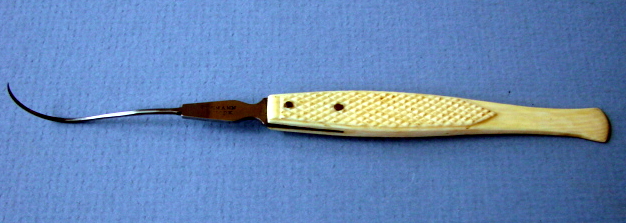
Ivory tenaculum
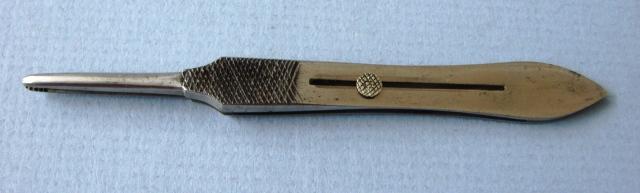
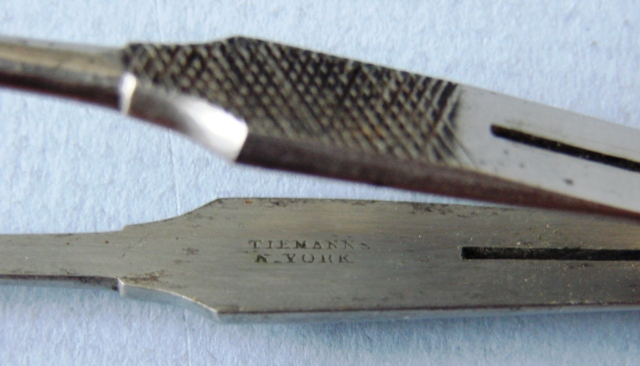
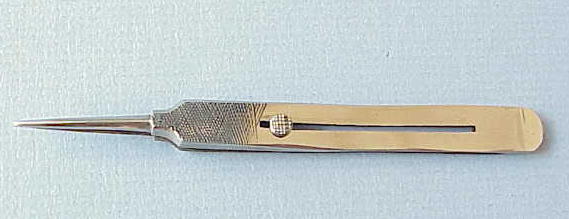
Note the sliding latch and crosshatching, which is hand-cut on the forceps and is marked 'Tiemanns'
Look at this similar tissue forceps in a c. 1829 Rose set. Rose and Tiemann were located near each other in NY.
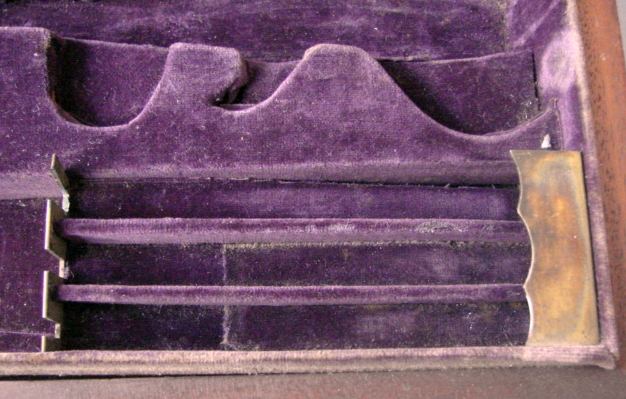
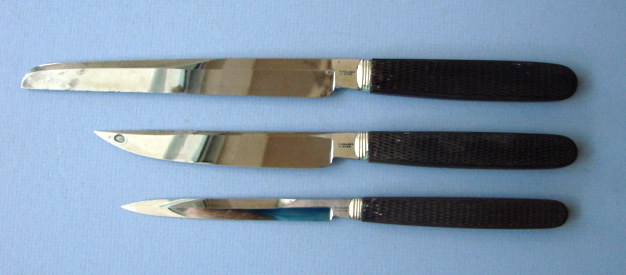
Large, medium, and catlin amputation knives
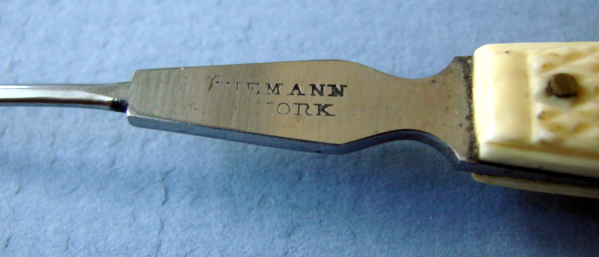
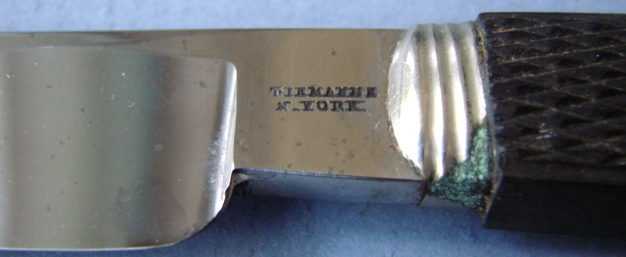
The photos below are showing the same markings 'Tiemanns' and ferrules
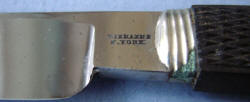
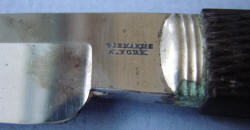
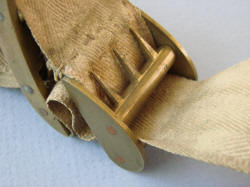
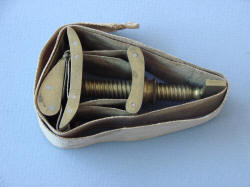
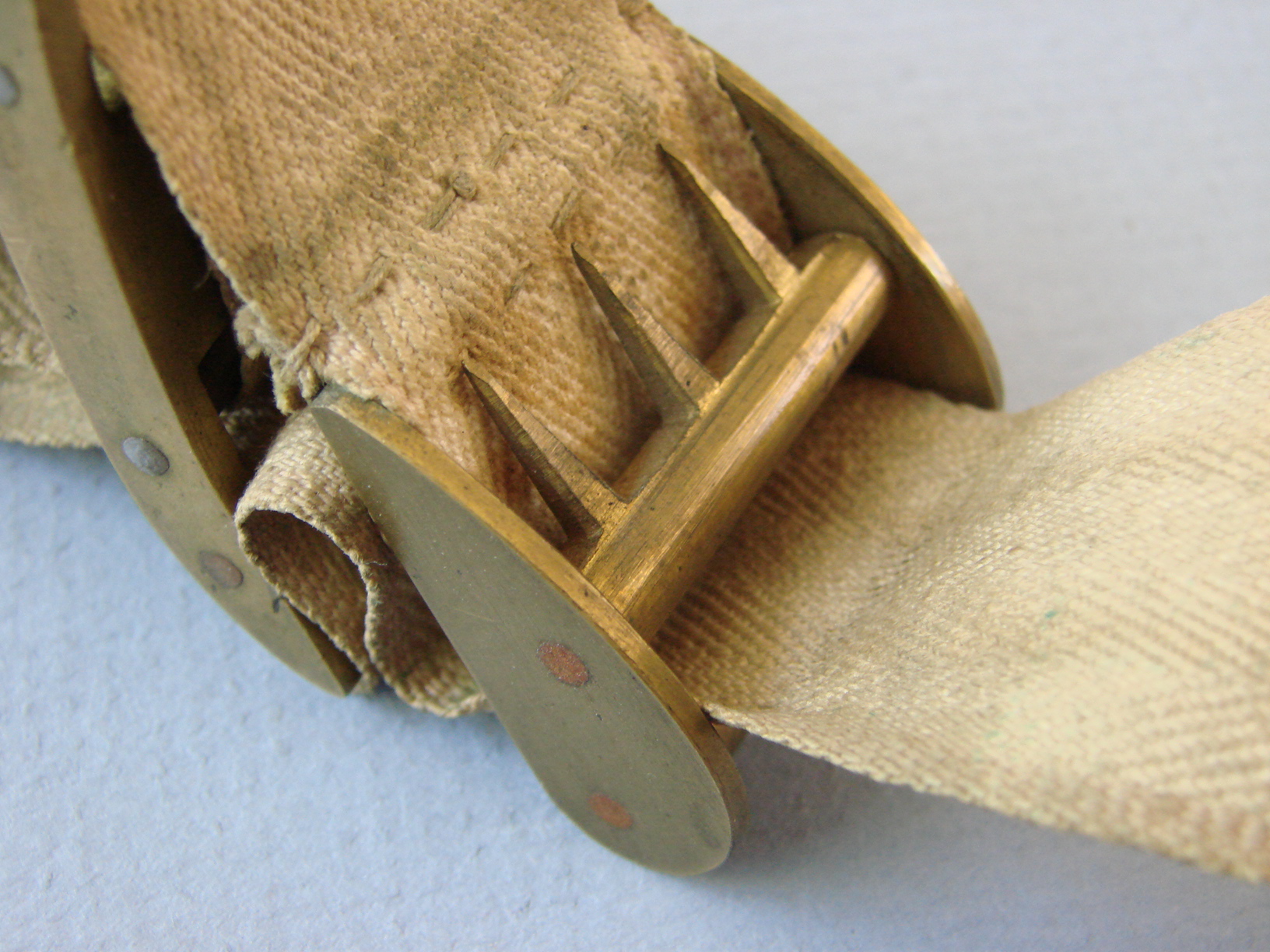
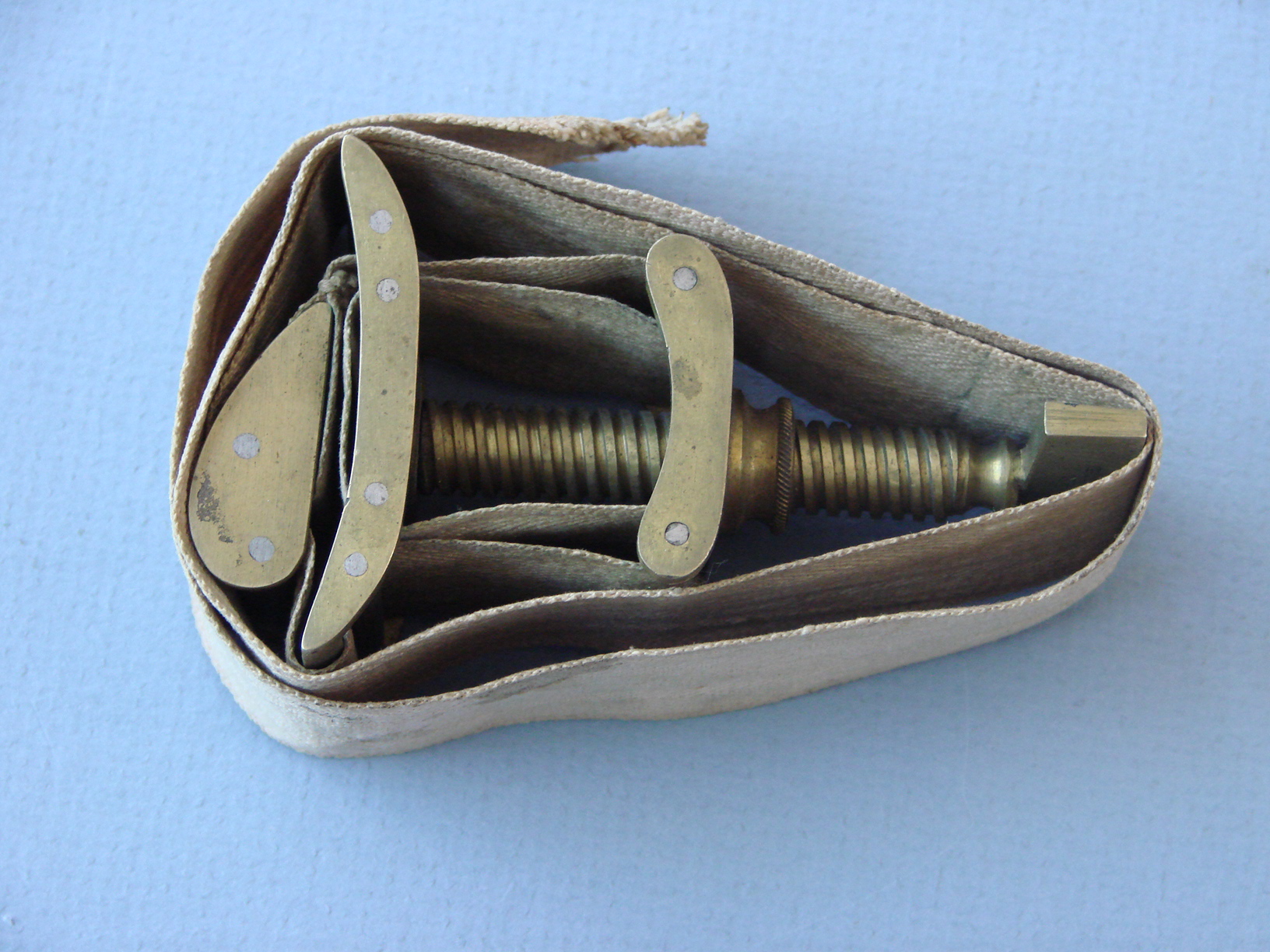
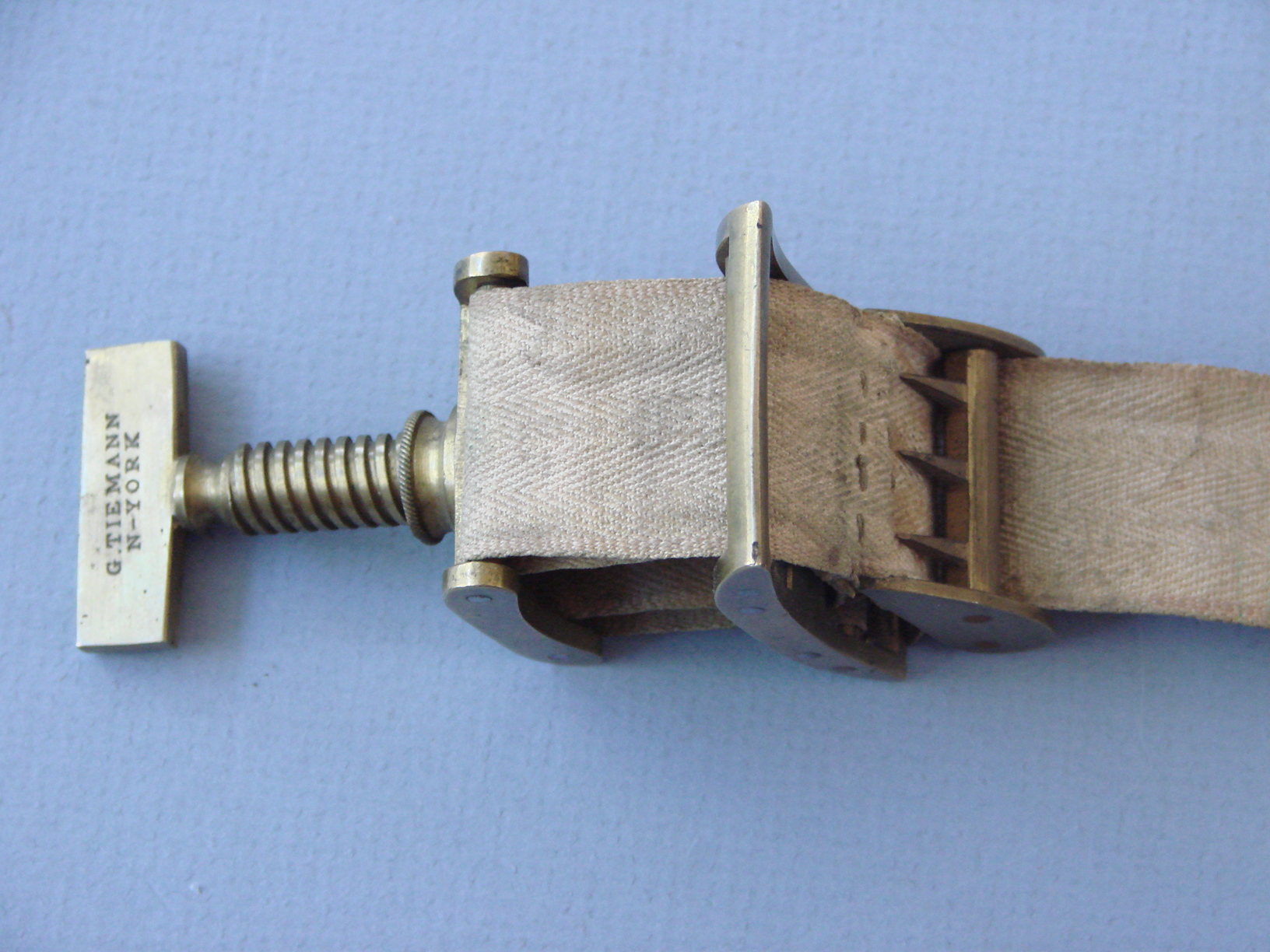
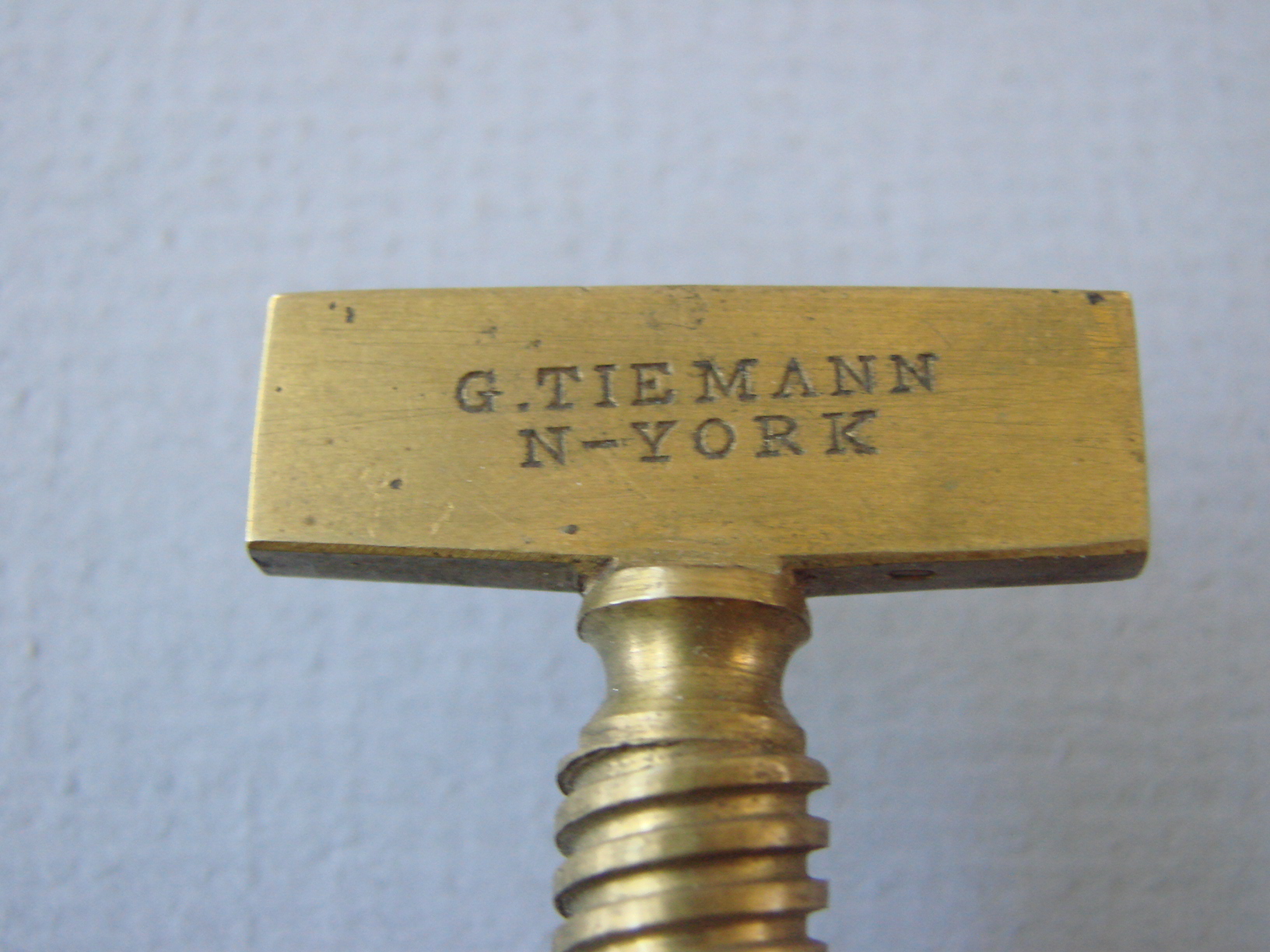
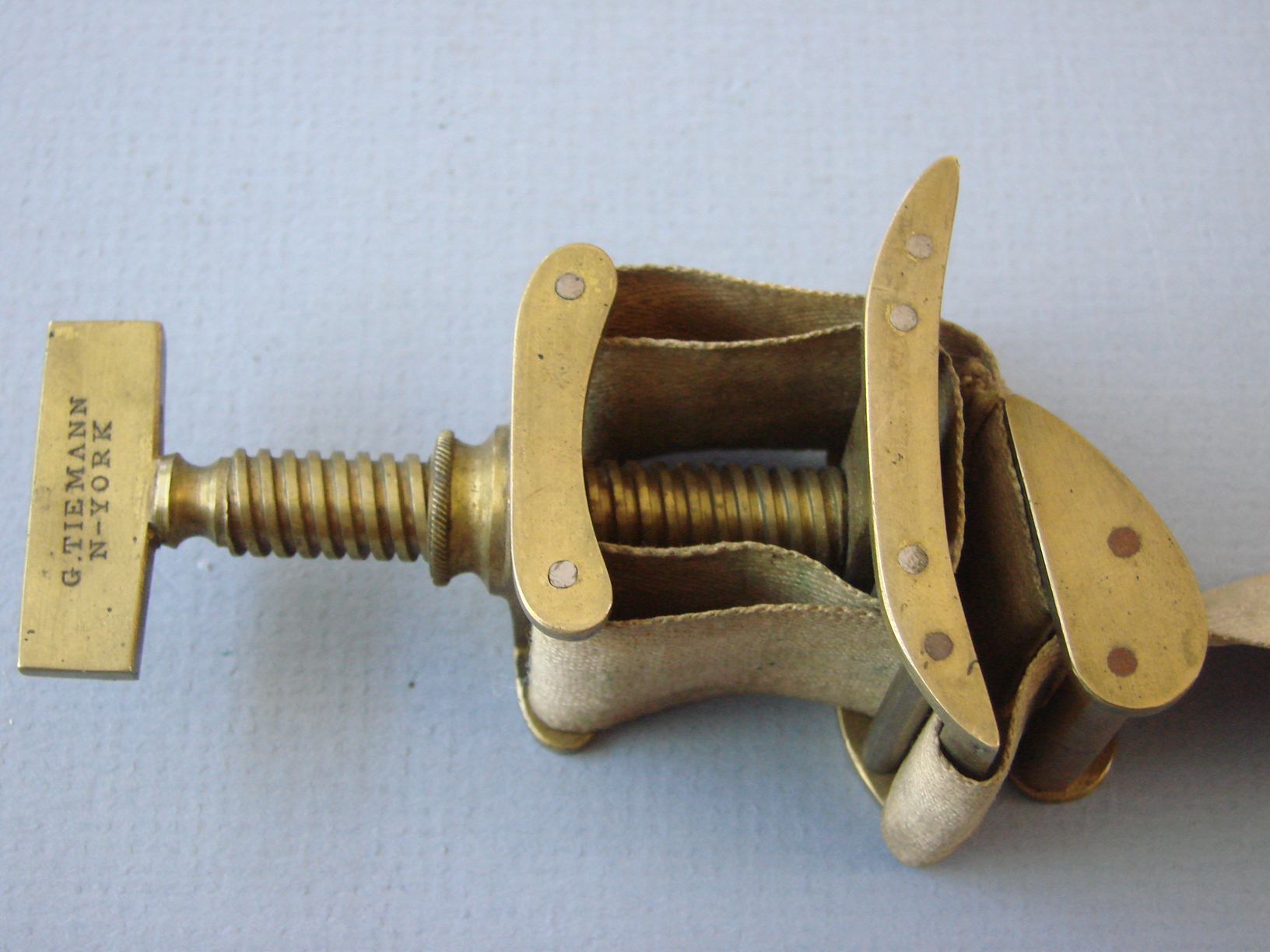
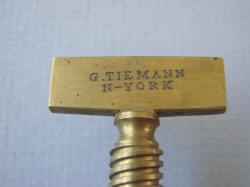
The tourniquet is extremely large and heavy. Note use of N-YORK for the address, but G. 'Tiemann' for the name. The unique large heavy cast frame locking device supports the cast locking prongs into the original strap.
Compare this set to a Gemrig set of the same era
Points of comparison for the amputation knives
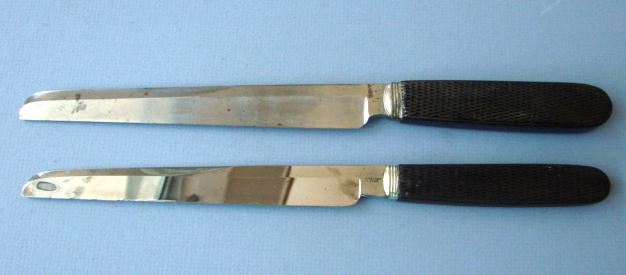
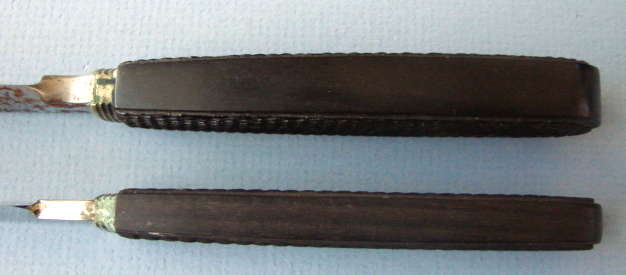
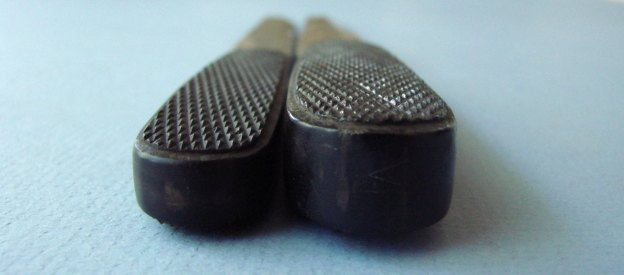
I just happened to have a set of early Tiemann amputation knives and instruments that were not a part of this set. Shown below is the largest of the two knives, the lower from the set above. The interesting point is that the other set of knives have much heavier handles than the knives from this set. ?The question is: which set of knives are earlier? Usually the earlier knives have heavier handles, but this set has a much thinner handle on the large knife (but still very heavy compared to later knives) than those in this set. Since all the knives were custom made, it could relate to the size of the surgeon's hands for whom the set was made. Sets during this time were custom ordered, there was no mass production.
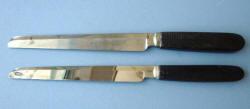
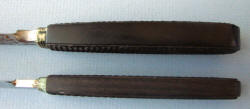
The knife at the top has the thicker handle and is also marked 'Tiemann'. The lower knife from this set and marked 'Tiemanns'.